
 Rocket.ChatLinux
vs
Microsoft Office TeamsWindows
Rocket.Chat als Linux-Alternative zu Microsoft Office Teams
Aktualisiert am
Unser Fazit
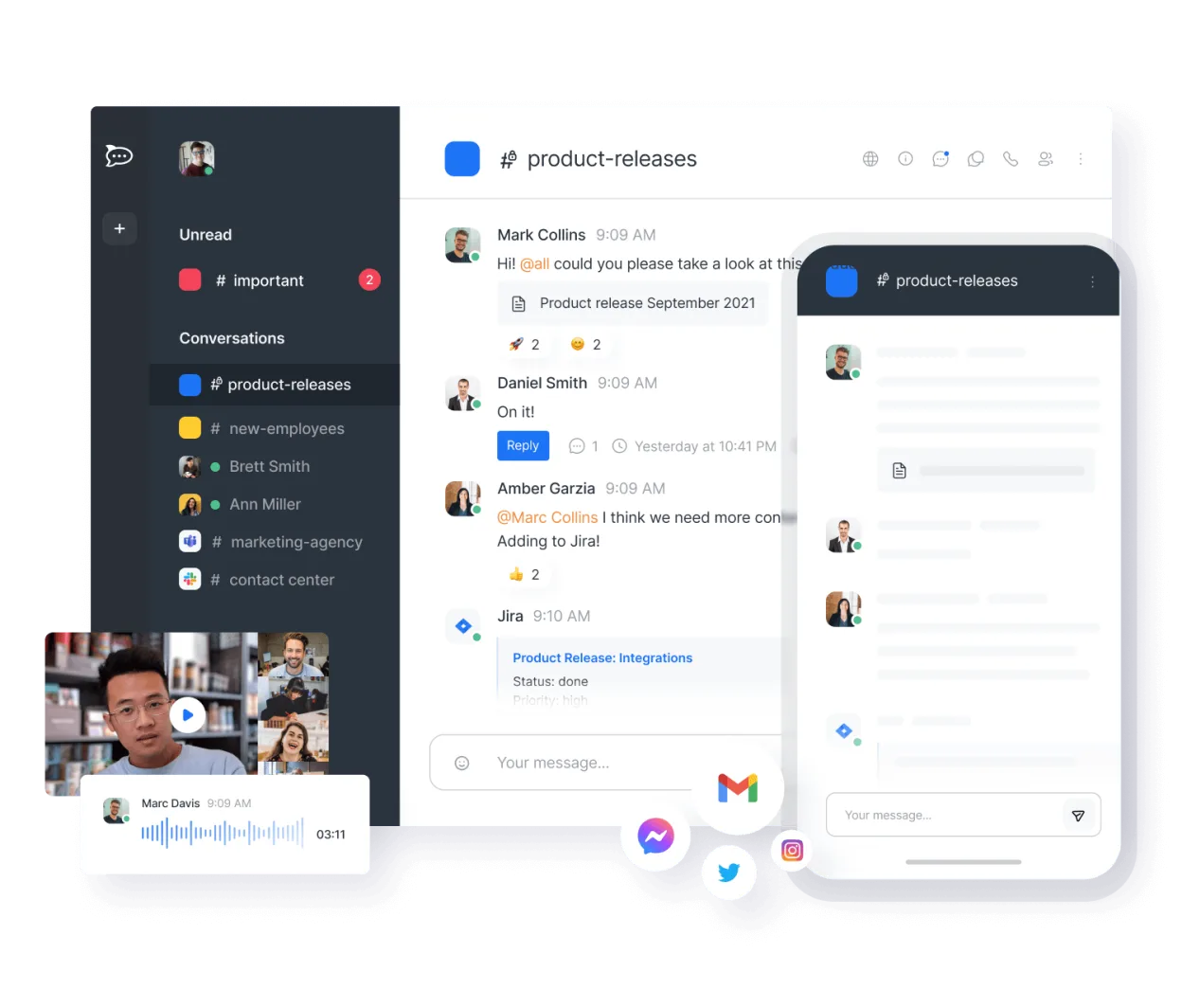
Rocket.Chat is a strong, self-hosted alternative for teams that prioritize data sovereignty and open-source standards over Microsoft's ecosystem lock-in. It covers core needs like threaded chat, video conferencing, and file sharing effectively. However, it is not a drop-in replacement for organizations deeply integrated into the Microsoft 365 suite, as it lacks native, deep integration with Office documents and Exchange. It suits tech-savvy teams willing to manage their own infrastructure or use third-party hosting, offering unlimited users without per-seat licensing fees, but requiring more initial setup than the out-of-the-box experience of Teams.
- Lizenz
- MIT
- Preis
- Kostenlos
- Aktuelle Version
- 4.19.3 (12. November 2026)
- Bewertung
- —
Was gleich funktioniert
- Real-time chat with threaded conversations and channels
- Integrated video and audio conferencing with screen sharing
- File sharing and storage capabilities within the platform
- Support for bots and external app integrations via API
- Cross-platform availability including desktop and mobile apps
Was anders ist
- Lacks native, deep integration with Microsoft Office 365 apps like Word, Excel, and Outlook
- Requires self-hosting or third-party cloud hosting, unlike Teams' managed SaaS model
- No native Exchange calendar or email integration, requiring separate tools for scheduling
- Administrative controls and compliance features are more technical and less granular than Microsoft's enterprise offerings
Ihre Microsoft Office Teams-Dateien öffnen
Rocket.Chat does not natively open or edit Microsoft Office files like .docx or .xlsx. It functions primarily as a chat and collaboration hub. Users can share these files within channels, but viewing or editing them requires downloading them and opening them in a separate application like LibreOffice or onlyoffice. There is no built-in live co-editing for Microsoft Office formats, though Rocket.Chat supports live document editing for its own markdown-based notes or integrated third-party editors if configured.
Von Microsoft Office Teams zu Rocket.Chat wechseln – Schritt für Schritt
- Set up a Rocket.Chat server instance or subscribe to a cloud-hosted plan.
- Import existing user accounts and channel structures using the built-in import tools or CSV.
- Configure SSO or LDAP to map existing corporate identities to Rocket.Chat users.
- Install necessary integrations for calendar, email, and project management tools to replace Microsoft connectors.
- Test video conferencing and file sharing limits with a pilot group before full rollout.
- Communicate the switch to users, providing guides for mobile app installation and desktop client setup.
Wichtige Funktionen von Rocket.Chat
- Unbegrenzte Benutzer und Kanäle in der Standardkonfiguration
- Video- und Audiokonferenzen
- Dateifreigabe und Live-Dokumentenbearbeitung
- Umfassende API- und Bot-Integrationen
- Ende-zu-Ende-Verschlüsselung für private Kanäle
- Optionen für Self-Hosting oder Cloud-Hosting
- Mobile Apps für iOS und Android
- Anpassbare Themes und Layouts
Rocket.Chat unter Linux installieren
flatpak install flathub chat.rocket.RocketChatHäufige Fragen
Does Rocket.Chat replace Microsoft Outlook for email?
No. Rocket.Chat is a chat and collaboration platform. It does not handle email. You will still need a separate email client or service for mail, though it can integrate with email alerts for mentions or messages.
Can I use Rocket.Chat for free with unlimited users?
Yes. The open-source version is licensed under MIT and allows unlimited users and channels. Costs only arise if you choose to pay for cloud hosting, premium support, or enterprise features from the vendor.
How does Rocket.Chat handle file storage limits?
File storage limits depend on your hosting setup. If self-hosted, you are limited only by your server's disk space. If using a cloud provider, limits are defined by your subscription plan. There are no per-file or per-user storage caps in the software itself.
3 weitere Alternativen zu Microsoft Office Teams
 Jitsi MeetJitsi Meet ist ein quelloffener Videokonferenz-Client, der eine Verbindung zu jedem Jitsi-Server ermöglicht…Open SourceKostenlosFlatpakJitsi Meet vs. Microsoft Office Teams
 MattermostMattermost ist eine Open-Source, selbst gehostete Kollaborationsplattform für Entwicklerteams, die eine…Open SourceKostenlosFlatpakMattermost vs. Microsoft Office Teams
 ElementEin sicherer, quelloffener Matrix-Client für private Nachrichten, Gruppenchats und Videokonferenzen auf…Open SourceKostenlosFlatpakElement vs. Microsoft Office Teams