
 VLC media playerLinux
vs
MPC-HCWindows
VLC media player como alternativa Linux a MPC-HC
Actualizado el
Nuestra opinión
VLC is a solid replacement for MPC‑HC on Linux. It can play the same wide range of audio and video formats, supports subtitles and external audio tracks, and is lightweight enough for most systems. It is best suited for users who want a single, cross‑platform player that handles almost everything out of the box, including DVDs, CDs, and network streams. If you need a very minimal footprint or a Windows‑specific UI, you might still prefer MPC‑HC on Windows.
- Licencia
- GPL-2.0+
- Precio
- Gratis
- Última versión
- 3.0.24 (17 de septiembre de 2026)
- Valoración
- —
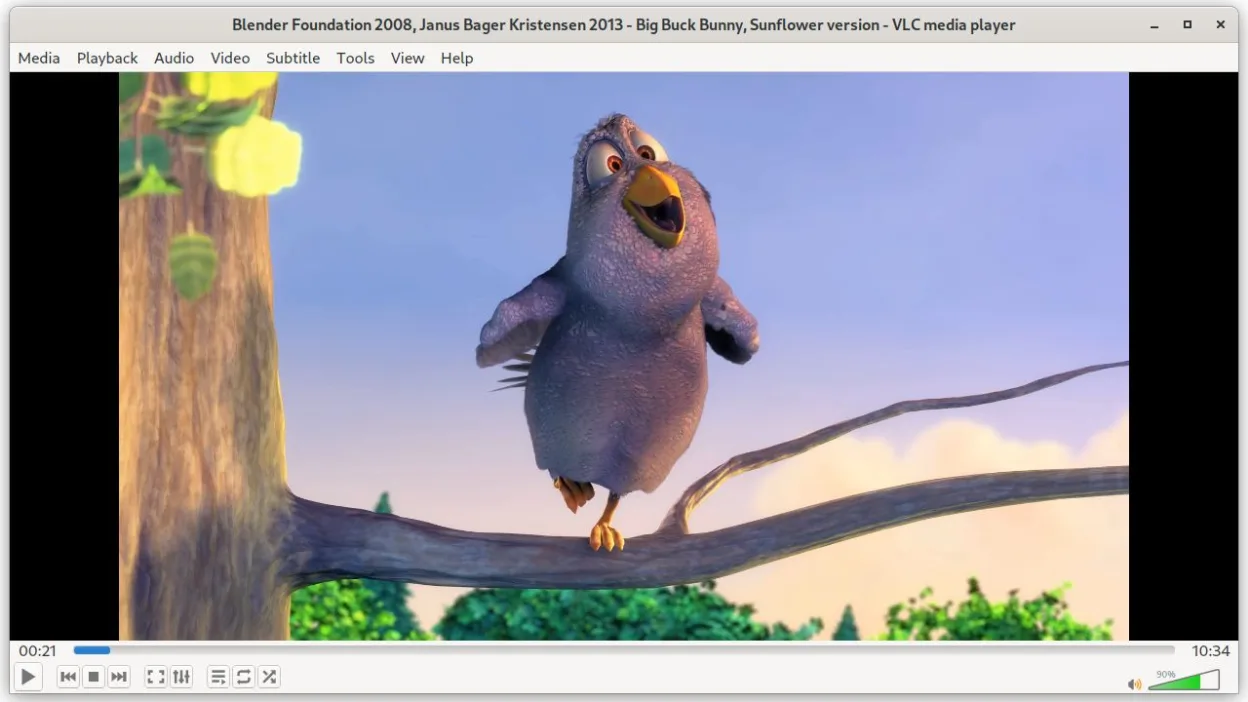
Lo que funciona igual
- Both play a broad set of audio and video formats without extra codecs
- Both support subtitles and can sync them
- Both are free and open source
- Both have low memory and CPU usage for typical media
- Both can be controlled via command line
Lo que cambia
- VLC includes built‑in media conversion and basic editing, MPC‑HC does not
- VLC supports streaming server features, MPC‑HC does not
- VLC can play DVDs and Audio CDs natively, MPC‑HC requires external libraries
- VLC offers extensive plugin and skin support, MPC‑HC has limited customization
- MPC‑HC is Windows‑only, VLC runs natively on Linux
Abrir tus archivos de MPC-HC
Both players can open standard video files such as MP4, MKV, AVI, and audio files like MP3, AAC. VLC can also read MPC‑HC’s playlist files (.m3u, .pls). Exporting from MPC‑HC to a format that VLC can play is straightforward; simply save or convert to MP4 or MKV. If you have a proprietary MPC‑HC project file, VLC will not open it, but such files are rarely used for playback.
Pasar de MPC-HC a VLC media player, paso a paso
- Install VLC via your distribution’s package manager (e.g., sudo apt install vlc).
- Open VLC and go to Preferences → Input/Codecs to enable any needed codecs.
- Load your media files or playlists; VLC will auto‑detect format.
- If you use external subtitles, drag them onto the player or use Media → Open Subtitle File.
- Configure playback settings (e.g., video output, audio device) in Preferences.
- Test playback of a sample file to confirm all tracks work.
Funciones clave de VLC media player
- Reproduce la mayoría de los formatos de audio y vídeo sin configuración adicional
- Admite DVDs, CDs de audio, VCDs y transmisiones de red
- Soporte integrado para subtítulos con sincronización
- Conversión de medios y edición básica
- Capacidades de servidor de streaming
- Extensible mediante plugins y temas
- Interfaz de línea de comandos para scripting
Cómo instalar VLC media player en Linux
flatpak install flathub org.videolan.VLCPreguntas frecuentes
Does VLC support the same subtitle formats as MPC‑HC?
Yes, VLC supports SRT, SUB, SSA/ASS, and many others, and can sync them manually if needed.
Can I use VLC to stream my media to another device?
VLC has built‑in streaming server capabilities; you can set up a stream via Media → Stream and choose the protocol.
Is VLC lighter than MPC‑HC on Linux?
VLC’s memory footprint is comparable; on a typical system it uses a few dozen megabytes, similar to MPC‑HC’s low usage.
Otras 4 alternativas a MPC-HC
 mpvmpv es un reproductor multimedia gratuito, de código abierto y multiplataforma que reproduce casi cualquier…Código abiertoGratisFlatpakmpv vs MPC-HC
 CelluloidCelluloid es un reproductor multimedia ligero para Linux que utiliza el motor mpv y GTK para ofrecer una…Código abiertoGratisFlatpakCelluloid vs MPC-HC
 HarunaHaruna es un reproductor multimedia de código abierto con licencia GPL que soporta reproducción local y en…Código abiertoGratisFlatpakHaruna vs MPC-HC
 SMPlayerSMPlayer es un reproductor multimedia gratuito y de código abierto con códecs integrados que maneja casi…Código abiertoGratisFlatpakSMPlayer vs MPC-HC