
 VLC media playerLinux
vs
MPC-HCWindows
VLC media player als Linux-Alternative zu MPC-HC
Aktualisiert am
Unser Fazit
VLC is a solid replacement for MPC‑HC on Linux. It can play the same wide range of audio and video formats, supports subtitles and external audio tracks, and is lightweight enough for most systems. It is best suited for users who want a single, cross‑platform player that handles almost everything out of the box, including DVDs, CDs, and network streams. If you need a very minimal footprint or a Windows‑specific UI, you might still prefer MPC‑HC on Windows.
- Lizenz
- GPL-2.0+
- Preis
- Kostenlos
- Aktuelle Version
- 3.0.24 (17. September 2026)
- Bewertung
- —
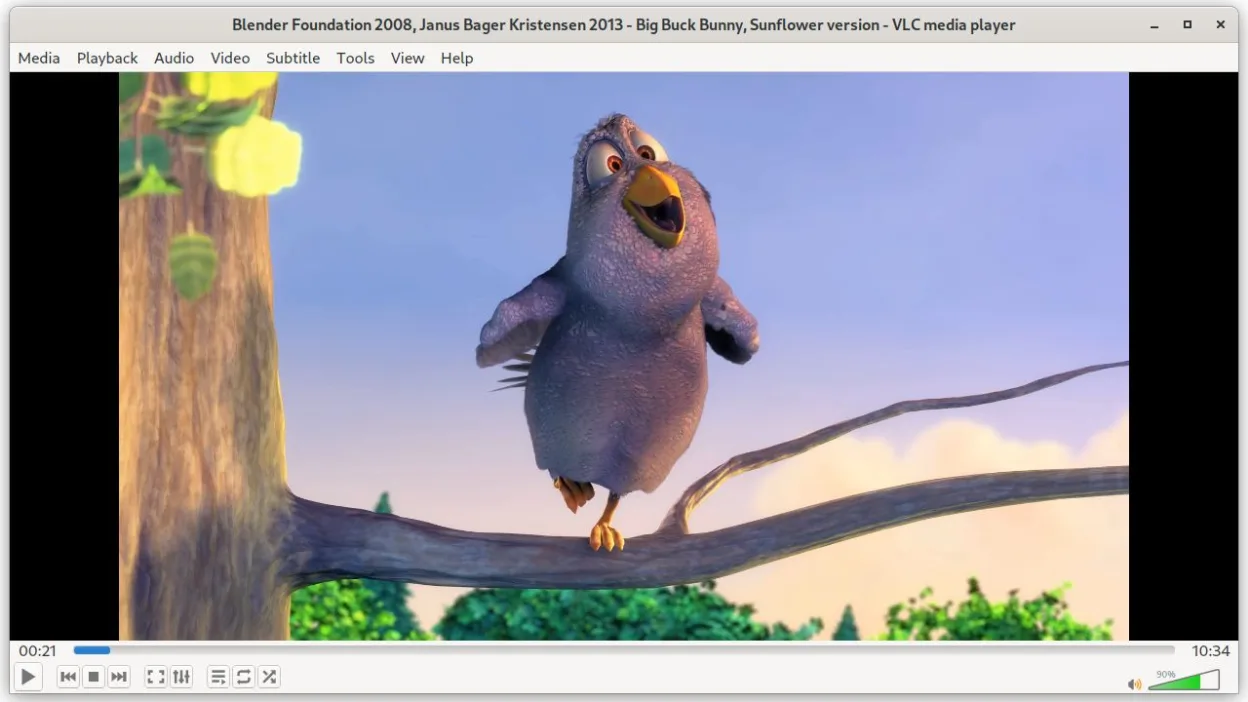
Was gleich funktioniert
- Both play a broad set of audio and video formats without extra codecs
- Both support subtitles and can sync them
- Both are free and open source
- Both have low memory and CPU usage for typical media
- Both can be controlled via command line
Was anders ist
- VLC includes built‑in media conversion and basic editing, MPC‑HC does not
- VLC supports streaming server features, MPC‑HC does not
- VLC can play DVDs and Audio CDs natively, MPC‑HC requires external libraries
- VLC offers extensive plugin and skin support, MPC‑HC has limited customization
- MPC‑HC is Windows‑only, VLC runs natively on Linux
Ihre MPC-HC-Dateien öffnen
Both players can open standard video files such as MP4, MKV, AVI, and audio files like MP3, AAC. VLC can also read MPC‑HC’s playlist files (.m3u, .pls). Exporting from MPC‑HC to a format that VLC can play is straightforward; simply save or convert to MP4 or MKV. If you have a proprietary MPC‑HC project file, VLC will not open it, but such files are rarely used for playback.
Von MPC-HC zu VLC media player wechseln – Schritt für Schritt
- Install VLC via your distribution’s package manager (e.g., sudo apt install vlc).
- Open VLC and go to Preferences → Input/Codecs to enable any needed codecs.
- Load your media files or playlists; VLC will auto‑detect format.
- If you use external subtitles, drag them onto the player or use Media → Open Subtitle File.
- Configure playback settings (e.g., video output, audio device) in Preferences.
- Test playback of a sample file to confirm all tracks work.
Wichtige Funktionen von VLC media player
- Spielt die meisten Audio‑ und Videoformate sofort ab
- Unterstützt DVDs, Audio‑CDs, VCDs und Netzwerkstreams
- Integrierte Untertitelunterstützung mit Synchronisation
- Medienkonvertierung und grundlegende Bearbeitung
- Streaming‑Server‑Funktionen
- Erweiterbar über Plugins und Skins
- Kommandozeilen‑Interface für Skripte
VLC media player unter Linux installieren
flatpak install flathub org.videolan.VLCHäufige Fragen
Does VLC support the same subtitle formats as MPC‑HC?
Yes, VLC supports SRT, SUB, SSA/ASS, and many others, and can sync them manually if needed.
Can I use VLC to stream my media to another device?
VLC has built‑in streaming server capabilities; you can set up a stream via Media → Stream and choose the protocol.
Is VLC lighter than MPC‑HC on Linux?
VLC’s memory footprint is comparable; on a typical system it uses a few dozen megabytes, similar to MPC‑HC’s low usage.
4 weitere Alternativen zu MPC-HC
 mpvmpv ist ein kostenloser, quelloffener, plattformübergreifender Mediaplayer, der nahezu jedes Video- oder…Open SourceKostenlosFlatpakmpv vs. MPC-HC
 CelluloidCelluloid ist ein leichter Mediaplayer für Linux, der die mpv‑Engine und GTK für eine saubere GNOME‑ähnliche…Open SourceKostenlosFlatpakCelluloid vs. MPC-HC
 HarunaHaruna ist ein unter der GPL lizenzierte, quelloffene Mediaplayer, der die Wiedergabe lokaler und…Open SourceKostenlosFlatpakHaruna vs. MPC-HC
 SMPlayerSMPlayer ist ein kostenloser, quelloffener Mediaplayer mit integrierten Codecs, der nahezu alle Video- und…Open SourceKostenlosFlatpakSMPlayer vs. MPC-HC