
 Gnome MPlayerLinux
vs
Gnome MPlayerLinux
vs
 Media Player Classic (MPC)Windows
Gnome MPlayer als Linux-Alternative zu Media Player Classic (MPC)
Aktualisiert am
Unser Fazit
Gnome MPlayer is a functional but dated replacement for Media Player Classic. It shares MPC's goal of lightweight, no-frills playback using the MPlayer engine. However, it is discontinued, meaning no security updates or new feature support. For users who need a simple, low-resource player for standard formats and do not require modern interface polish or active maintenance, it works. But for most, VLC or MPV are better choices as they are actively maintained, handle more codecs out of the box, and offer better long-term stability. Use Gnome MPlayer only if you specifically want a classic GNOME frontend and accept the risks of an abandoned project.
- Lizenz
- GPL
- Preis
- Kostenlos
- Aktuelle Version
- 1.0.9
- Bewertung
- —
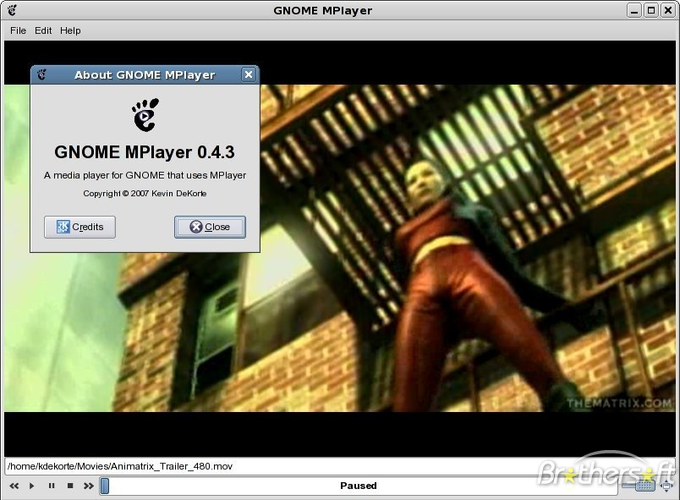
Was gleich funktioniert
- Lightweight resource usage suitable for older hardware
- Supports common audio and video formats via MPlayer
- Simple interface with basic playback controls
- Includes playlist functionality
- Keyboard shortcut support for navigation
Was anders ist
- Discontinued status means no future updates or bug fixes
- Lacks the modern UI polish and customization of MPC-HC
- May require manual codec configuration for some files
- Fewer built-in subtitle styling options compared to MPC
- No active community support for troubleshooting
Ihre Media Player Classic (MPC)-Dateien öffnen
Gnome MPlayer uses MPlayer's internal configuration and playlist formats. It can open standard video and audio files (MP4, MKV, AVI, MP3) that MPC plays. However, it does not directly import MPC's specific playlist file formats (like .m3u or .pls) without conversion, though standard M3U playlists are generally supported. There is no direct export of MPC settings; you must manually configure MPlayer settings to match your previous preferences.
Von Media Player Classic (MPC) zu Gnome MPlayer wechseln – Schritt für Schritt
- Install Gnome MPlayer via your package manager
- Test playback with a few common video files
- Configure subtitle paths in MPlayer settings
- Set up keyboard shortcuts to match your MPC habits
- Create a playlist in Gnome MPlayer for your regular shows
- Verify audio output device selection in preferences
Wichtige Funktionen von Gnome MPlayer
- Frontend for MPlayer engine
- Supports most common audio and video formats
- Simple, lightweight interface
- Basic playback controls and playlist support
- Configurable via MPlayer settings
- Runs on GNOME desktops with minimal resource use
Gnome MPlayer unter Linux installieren
sudo pacman -S gnome-mplayerHäufige Fragen
Is Gnome MPlayer still maintained?
No, it is discontinued. The project is no longer actively developed, so you will not receive updates or security patches.
Does it handle subtitles automatically?
It can load external subtitle files if they are named correctly and located in the same directory, but automatic online subtitle fetching is not a standard feature.
Can I use it on non-GNOME desktops?
Yes, it runs on any Linux desktop environment, but it is designed with GNOME aesthetics in mind, so it may look out of place elsewhere.
3 weitere Alternativen zu Media Player Classic (MPC)
 VLC media playerVLC is a free, open‑source multimedia player that runs on Linux and handles virtually any audio or video…Open SourceKostenlosFlatpakVLC media player vs. Media Player Classic (MPC)
 MplayerMPlayer is a free, command‑line media player that supports a wide range of formats and codecs.Open SourceKostenlosMplayer vs. Media Player Classic (MPC)
 TotemTotem (GNOME Videos) is the default GNOME video player built on GStreamer.Open SourceKostenlosTotem vs. Media Player Classic (MPC)