
 KstLinux
vs
Tableau DesktopWindows
Kst as a Linux alternative to Tableau Desktop
Updated
Our verdict
Kst is not a good replacement for Tableau Desktop for business intelligence or dashboard-focused users. It excels at real-time scientific data plotting and lightweight analysis, making it suitable for researchers or engineers working with time-series or numerical data. However, it lacks interactive dashboards, database connectors, and the visual polish Tableau provides. While it supports scripting and handles large datasets efficiently, its interface and feature set are too limited for typical Tableau workflows involving complex reporting, sharing, or web-based interactivity.
- License
- GPL-3.0
- Price
- Free
- Latest version
- 3.0.0 (February 9, 2026)
- Rating
- —
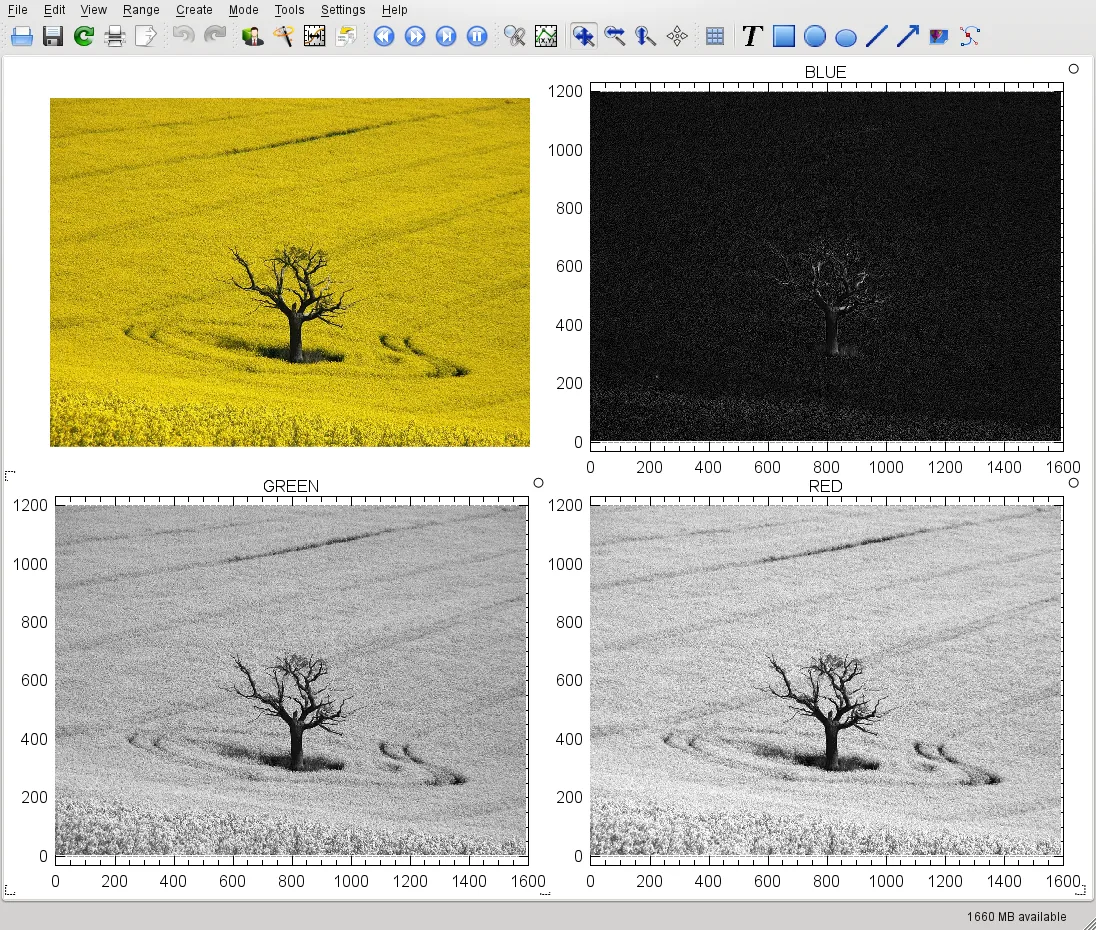
What works the same
- Both support CSV and TSV file import for data visualization
- Offer real-time data plotting and live updates
- Allow export of visuals to common formats like PNG, SVG, and PDF
- Support data filtering and basic transformations
- Include scripting capabilities for automation
What is different
- Kst has no built-in support for direct database connections (e.g., SQL, cloud sources)
- Lacks dashboard creation with filters, drill-downs, and linked views
- No web publishing or sharing capabilities
- Interface is technical and geared toward scientists, not business users
- Does not support Tableau's data model, calculated fields, or advanced visual types
Opening your Tableau Desktop files
Kst cannot open Tableau Desktop files (.twb, .twbx). There is no known converter or import functionality for Tableau project formats. Users must extract the underlying data (e.g., CSV, Excel) from Tableau and import it into Kst. Exporting from Kst is limited to image and vector formats (PNG, SVG, PDF), not interactive reports or web dashboards.
Switching from Tableau Desktop to Kst, step by step
- Extract data from Tableau sources into CSV, TSV, or HDF5 format
- Install Kst via your distribution's package manager or Flathub
- Import data files into Kst and configure plots using the 2D/3D plotting tools
- Use built-in filters or scripts to transform data as needed
- Export static visuals to PNG, SVG, or PDF for sharing
Key features of Kst
- Supports multiple data file formats including CSV, TSV, and HDF5
- Real-time data plotting and streaming visualization
- Interactive zooming and panning on 2D and 3D plots
- Built-in data filtering and transformation scripts
- Export plots to SVG, PNG, and PDF
- Scripting support for automated analysis
- Integration with KDE desktop environment
How to install Kst on Linux
flatpak install flathub org.kde.kstsudo apt install kstsudo apt install kstsudo dnf install kstsudo pacman -S kstsudo zypper install kstFrequently asked questions
Can Kst connect to SQL databases like Tableau?
No, Kst does not support direct SQL or database connections. You must export data to a file format like CSV first.
Is Kst suitable for creating interactive dashboards?
No, Kst does not support dashboard layouts with filters, linked charts, or user controls like Tableau.
Does Kst run outside the KDE desktop?
Yes, Kst runs on any Linux desktop, but it integrates best with KDE and may pull in Qt dependencies.
3 other alternatives to Tableau Desktop
 VeuszVeusz is a scientific plotting application for creating publication-ready graphs with precise control over…Open sourceFreeFlatpakVeusz vs Tableau Desktop