
 GIMPLinux
vs
PhotoScapeWindows
GIMP como alternativa Linux ao PhotoScape
Atualizado em
Nossa avaliação
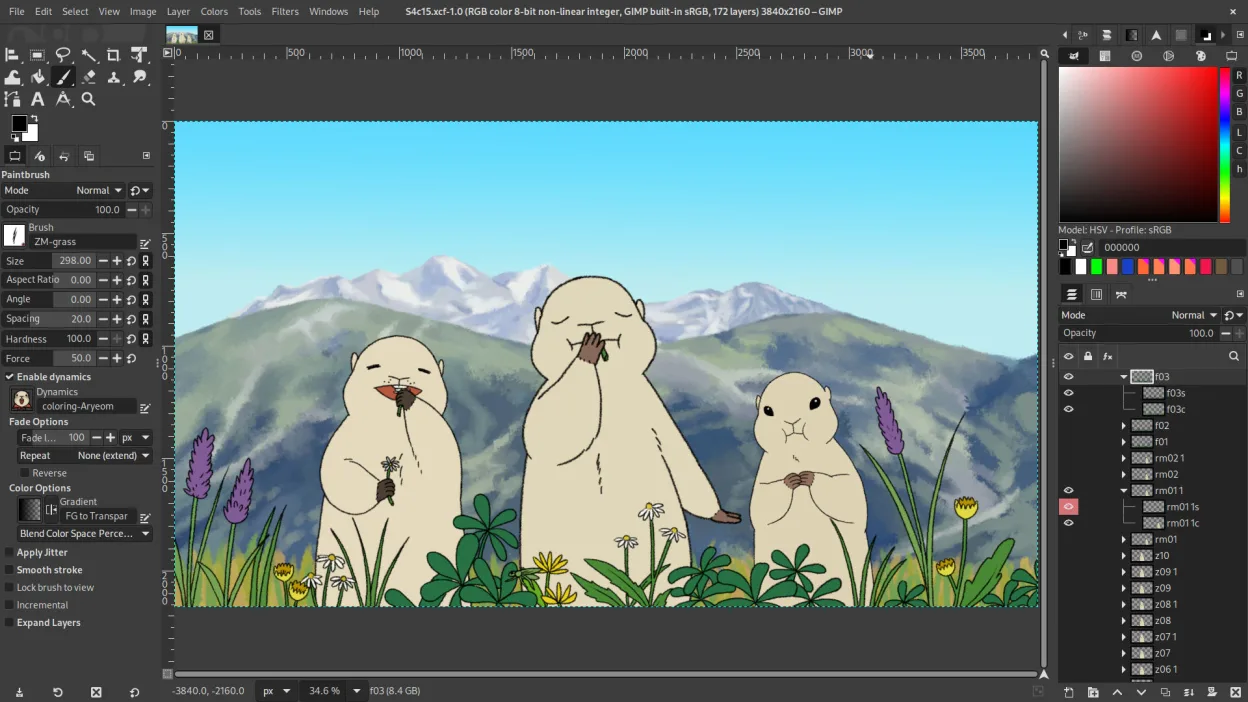
GIMP can replace PhotoScape for users who need more than basic edits and want a free, open‑source tool. It covers batch resizing, cropping, color tweaks, and GIF creation through scripts or plugins. However, it lacks a dedicated red‑eye correction button and the simple, wizard‑style collage interface that PhotoScape offers. Advanced users who appreciate GIMP’s layer system, scripting, and plugin ecosystem will find it a strong alternative, while casual users may feel overwhelmed by its learning curve.
- Licença
- GPL-3.0+ AND LGPL-3.0+
- Preço
- Grátis
- Versão mais recente
- 3.2.8 (2 de novembro de 2026)
- Avaliação
- —
O que funciona igual
- Both allow batch processing of images
- Both support resizing, cropping, and basic color adjustments
- Both can create GIF animations from a sequence of images
O que muda
- PhotoScape has a built‑in red‑eye correction tool; GIMP requires manual retouching or a plugin
- PhotoScape’s collage/contact‑sheet creation is a single‑click wizard; GIMP requires manual layout or external scripts
- PhotoScape’s interface is designed for quick, one‑time edits; GIMP’s interface is more complex with layers and panels
- PhotoScape exports directly to common formats via a simple dialog; GIMP needs export dialogs or command‑line scripts
Abrindo seus arquivos do PhotoScape
PhotoScape does not use a proprietary file format; it works with standard image files (JPEG, PNG, GIF, BMP, etc.). GIMP can open and export these formats without issue. If you have PhotoScape‑specific project files (e.g., .psp), they are not supported by GIMP.
Trocando o PhotoScape pelo GIMP, passo a passo
- Open PhotoScape and export your images to a common format such as PNG or JPEG.
- Install GIMP from your distribution’s package manager or Flathub.
- Use GIMP’s "Batch Process" (via BIMP plugin) to resize, rename, or apply filters to many files at once.
- Use the "Filters → Animation → Make GIF" feature or a script to create GIFs.
- For red‑eye correction, use the Clone or Heal tool or install a dedicated plugin like G'MIC.
- Save your finished images in the desired format using File → Export As.
Principais recursos do GIMP
- Edição baseada em camadas com máscaras, modos de mesclagem e transparência
- Motor avançado de pincéis para pintura digital e retoque
- Suporte a plug‑ins compatíveis com Photoshop (via camadas de compatibilidade)
- Processamento em lote e scripting com Script-Fu, Python ou GEGL
- Edição não destrutiva possível via plug‑ins como G'MIC
- Suporte extensivo a formatos: PNG, JPEG, TIFF, PSD, WebP e mais
- Interface customizável com painéis ancoráveis e temas
- Gerenciamento de cores com suporte a perfis ICC
Como instalar o GIMP no Linux
flatpak install flathub org.gimp.GIMPsudo apt install gimpsudo apt install gimpsudo dnf install gimpsudo pacman -S gimpsudo zypper install gimpOutras 5 alternativas ao PhotoScape
 darktabledarktable é um editor de fotos gratuito e de código aberto que gerencia arquivos RAW e oferece um fluxo de…Código abertoGrátisFlatpakdarktable vs PhotoScape
 ShotwellShotwell é um gerenciador de fotos GNOME para importar, organizar e editar imagens de forma leve.Código abertoGrátisFlatpakShotwell vs PhotoScape
 KritaKrita é um programa de pintura digital e ilustração de código aberto com recursos completos.Código abertoGrátisFlatpakKrita vs PhotoScape
 gThumb Image ViewergThumb é um visualizador, editor e organizador de imagens integrado ao GNOME para Linux.Código abertoGrátisFlatpakgThumb Image Viewer vs PhotoScape
 nomacs - Image LoungeNomacs é um visualizador de imagens gratuito e de código aberto que suporta miniaturas, metadados…Código abertoGrátisFlatpaknomacs - Image Lounge vs PhotoScape