

Linux · Games
Godot Engine
Godot Engine is a free, open-source game engine for creating 2D and 3D games across desktop, mobile, and web platforms.
- License
- MIT
- Latest version
- 4.7.2 (August 18, 2026)
- Developer
- The Godot Engine Community
- Installs
- 9,230 (Flathub, 30 days)
What is Godot Engine?
Godot Engine started in 2007 as an open-source alternative to commercial game engines and has grown into a mature, community-driven project. Released under the permissive MIT license, it's fully independent and supported by the non-profit Godot Foundation. Version 4.7.2 (as of 2026) shows active, ongoing development with regular updates and strong community contributions.
It's ideal for indie developers, hobbyists, and small studios who want full control over their code and assets without licensing fees. The engine is especially popular among developers targeting Linux and open platforms, thanks to its native support and first-class treatment on the OS. Its node-based architecture and scene system simplify game logic and scene composition.
Compared to Capcom's RE Engine—proprietary and closed—Godot is completely open and customizable. While RE Engine powers high-end AAA titles, Godot focuses on accessibility and flexibility for smaller-scale projects. You won't get the same cinematic polish out of the box, but you gain freedom, transparency, and full engine access.
Best for: Indie developers and small teams building 2D or modest 3D games with full ownership and no licensing costs.
Key features of Godot Engine
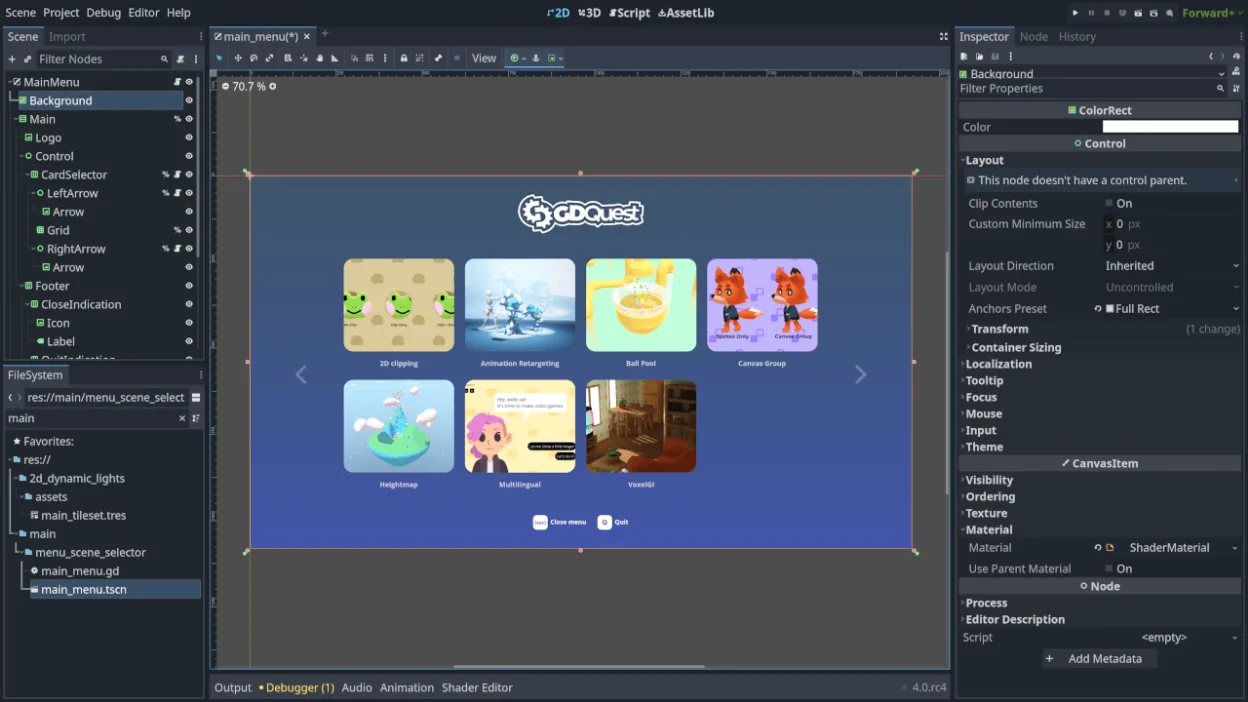
- Node-based architecture for flexible game design
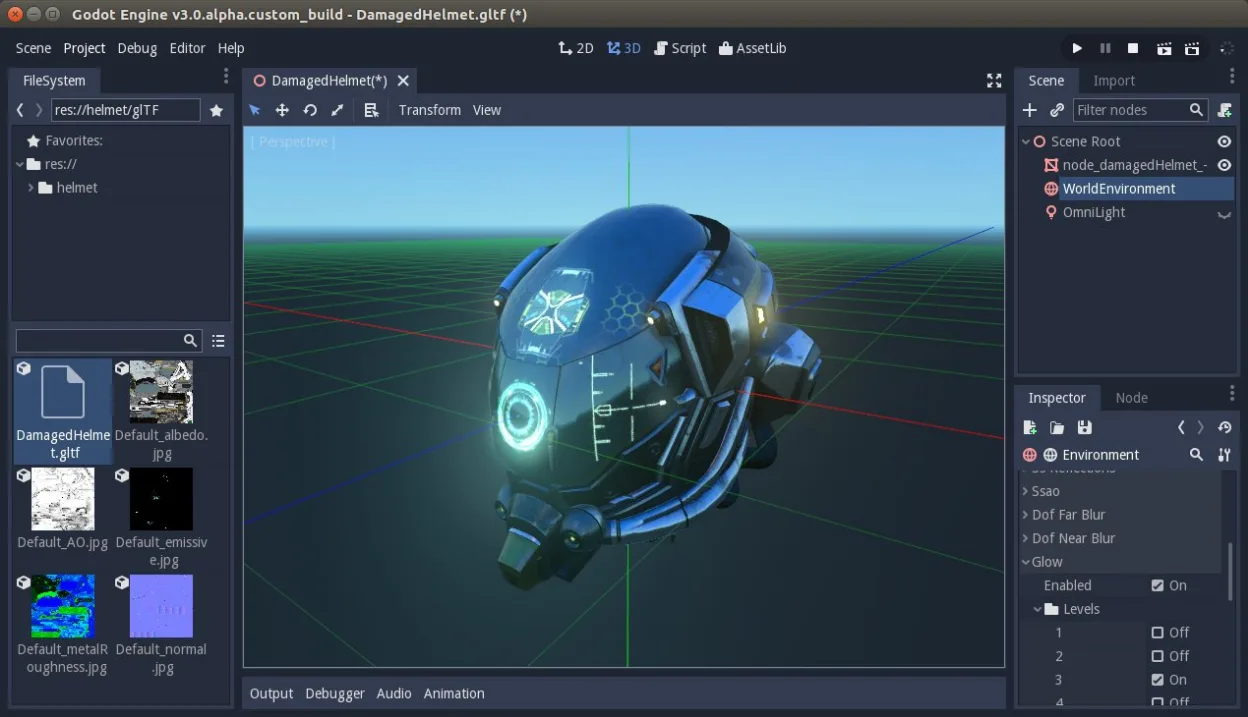
- Unified 2D and 3D scene editing
- One-click export to Linux, Windows, macOS, Android, iOS, and HTML5
- Built-in visual scripting and GDScript support
- Live editing with immediate feedback on desktop and mobile
- Custom tool creation with full editor integration
- Cross-platform development from a single project
- Context-sensitive, uncluttered UI for faster workflow
Pros
- Completely free and open-source with no royalties
- Full engine source access and modifiability
- Strong Linux integration and native Flatpak support
- Active community and transparent development
- Lightweight and runs well on modest hardware
Cons
- C# support requires a separate Flatpak (GodotSharp)
- 3D capabilities are improving but not on par with Unreal or Unity
- Smaller asset store compared to commercial engines
- Learning curve for developers used to visual-heavy engines
Windows programs Godot Engine replaces
How to install Godot Engine on Linux
flatpak install flathub org.godotengine.Godotsudo apt install godotsudo apt install godotsudo dnf install godotsudo pacman -S godotsudo zypper install godotTips for Windows users
Coming from RE Engine, expect a shift from proprietary tooling to open workflows. Godot uses .tscn and .res files instead of binary assets, so version control works cleanly. Shortcuts are customizable but default to a more keyboard-driven layout. The scene system replaces prefabs with instancing, and GDScript replaces C++ components—spend time learning nodes and signals to get the most out of it.
Recent releases
- 4.7.2 —
- 4.7.1 —
- 4.7 —
- 4.6.3 —
Godot Engine: frequently asked questions
Can Godot export to consoles like PS4 or Xbox?
Yes, but console exports require third-party publishers or licensing agreements. The engine supports the necessary build targets, but you'll need official developer programs to deploy.
Is Godot's C# support available in the Flatpak version?
No, the default Flatpak doesn't include Mono. Install org.godotengine.GodotSharp from Flathub for C# support.
How does Godot compare to Unity for 2D games?
Godot's 2D system is native and lightweight, often more intuitive than Unity's 2D-in-a-3D-engine approach. It's especially strong for pixel art and 2D platforms.
Does Godot support live reloading during development?
Yes, Godot offers persistent live editing—changes made during playtesting remain after stopping, even on mobile devices.
Updated