
Windows · Sound & Video
Best Linux alternatives to Tidal
Tidal is a high-fidelity music streaming service with 100 million tracks, but Linux users often switch to Spotify or Deezer for native support.
Updated
2 Linux alternatives to Tidal
-
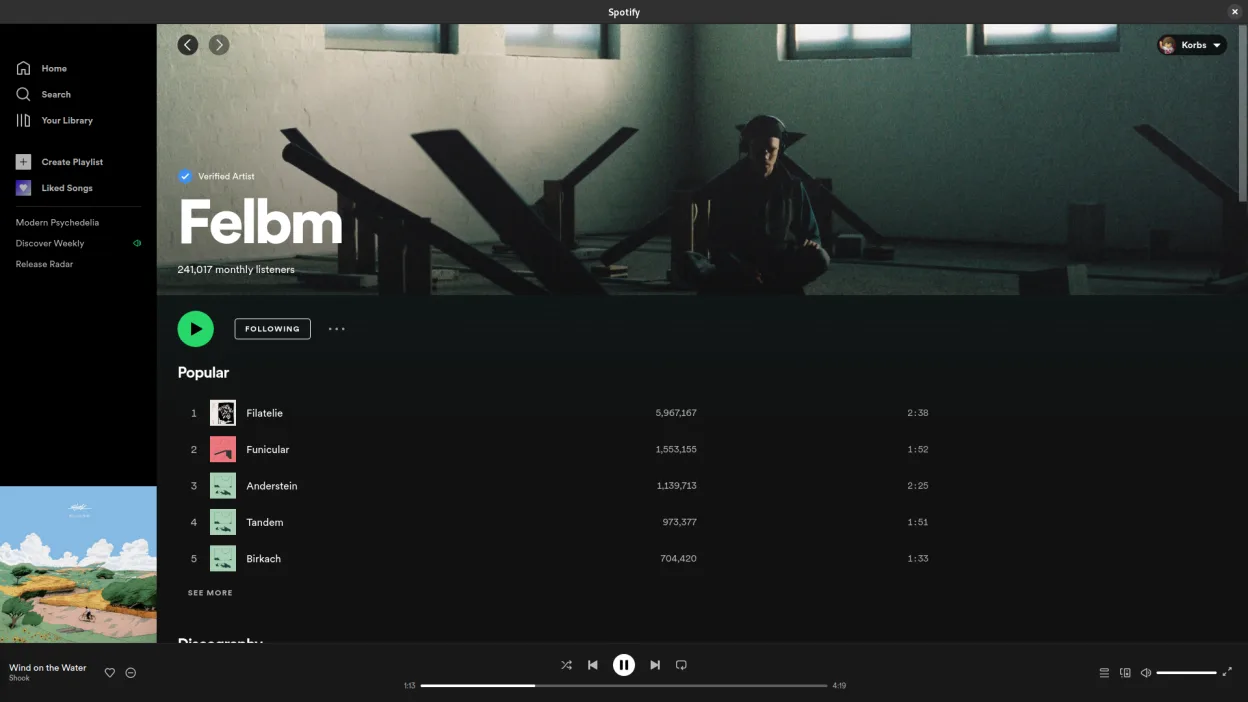
Spotify is a proprietary online music streaming service allowing you to listen to millions of songs, create playlists, and follow artists.
Spotify is a functional replacement for Tidal if you prioritize catalog size, social features, and native Linux support over audio fidelity. It offers a stable desktop app via Flathub with offline downloads and cross-device sync. However, it caps audio quality at 320 kbps, which is significantly…
Feature parity75% -
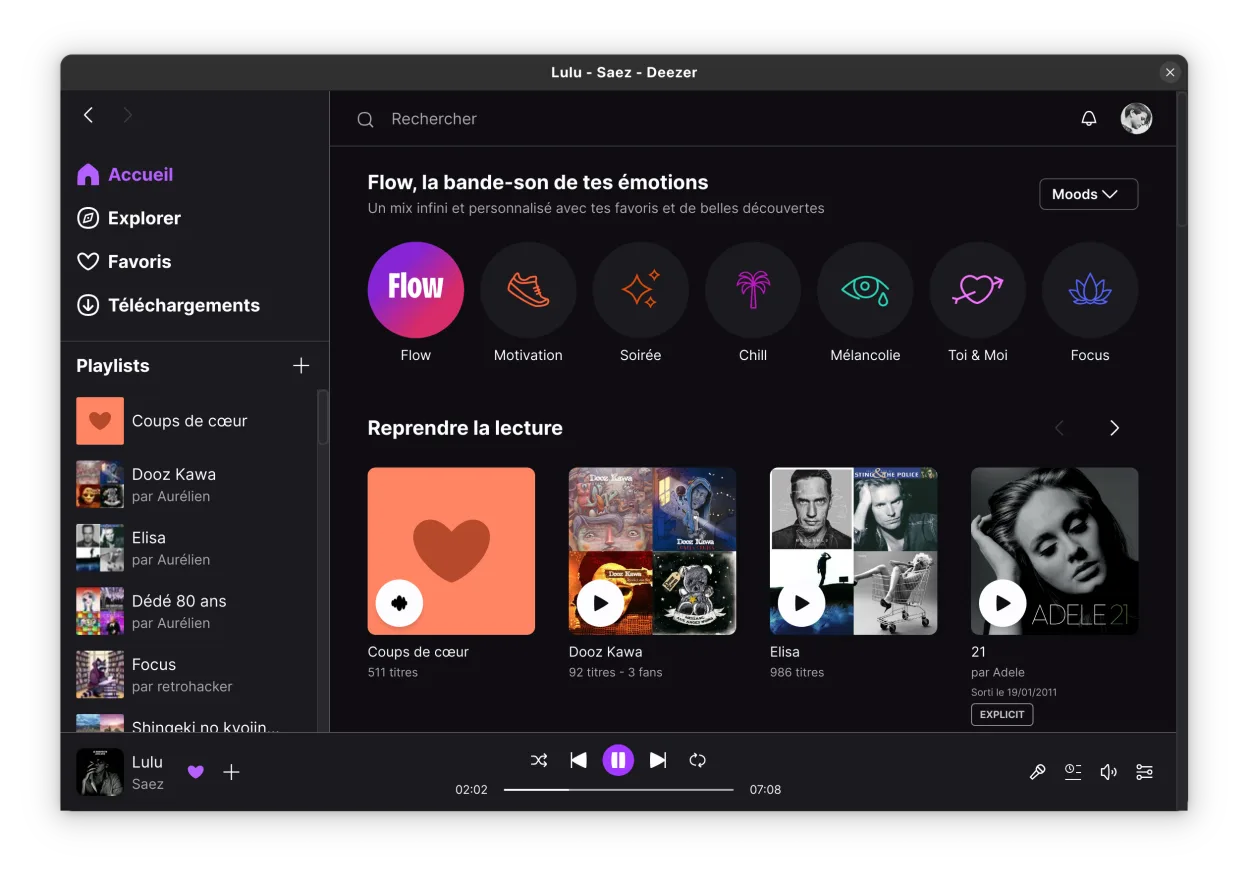
Unofficial Linux port of the Deezer desktop app for streaming and offline music.
Deezer is a solid alternative for Tidal users who prioritize native Linux support over exclusive content. It runs via Flatpak, offering a stable desktop experience with media key integration and offline downloads. However, you lose Tidal’s unique high-resolution audio tiers and specific artist…
Feature parity75%


What is Tidal?
Tidal serves audiophiles and casual listeners who want high-resolution audio, exclusive releases, and a large catalog. It is used by people who care about sound quality and artist support, offering a curated experience beyond standard lossy streaming. The service is popular among those who prefer FLAC or MQA formats for their listening sessions.
The licensing model is subscription-based, requiring a monthly fee for access. It is not open-source or free to use, as it relies on licensed content from major labels and independent artists. Users pay for the convenience of a vast library and the technical quality of the audio streams provided by the platform.
People look for a Linux alternative primarily because Tidal lacks a native desktop application for Linux. While the web player works, it often lacks system integration, background playback, and media key support. Users prefer native apps that integrate with their desktop environment, handle hardware controls, and provide a smoother, more reliable listening experience without browser overhead.
What a replacement for Tidal must do
- High-resolution audio streaming support
- Large music catalog access
- Native Linux desktop application
- Media key and system integration
- Offline listening or download capability
- Cross-platform account synchronization
- Stable background playback
Can you run Tidal on Linux?
Tidal does not offer a native Linux desktop application. You can use the web player in a browser, but it lacks system-level integration like media key support and background audio handling. It is unclear if the Windows version runs reliably via Wine or Proton, as many streaming services have DRM or anti-tamper measures that break under emulation. For a stable experience, native Linux alternatives are generally recommended over trying to force the Windows client to run.
Which alternative should you choose?
If you prioritize a massive catalog and ecosystem integration, Spotify is the strongest choice, offering a wide range of features and a free tier. If you specifically want high-resolution audio similar to Tidal’s core value proposition, Deezer is a better fit, as it supports Hi-Fi streaming on paid plans. Choose Spotify for convenience and library size, or Deezer if audio quality is your main concern.
Moving your Tidal files and habits
There is no direct way to export your Tidal playlists or library to Spotify or Deezer. You will need to manually recreate playlists or use third-party tools that scrape playlist URLs and import them into the new service. Since Tidal is a streaming service, you do not own local audio files, so there is no file format compatibility issue. Your listening history and favorite artists will need to be rebuilt from scratch in the new platform.
Side-by-side comparison
Tidal: frequently asked questions
Does Tidal work on Linux via the web browser?
Yes, you can access Tidal through a web browser on Linux. However, you will lose native features like media key control, system tray integration, and reliable background playback.
Can I run the Windows version of Tidal on Linux?
It is not recommended. While Wine or Proton might install the app, streaming services often have issues with DRM or audio output under emulation, leading to unstable performance.
Which alternative offers the best audio quality?
Among the listed options, Deezer is closer to Tidal in terms of offering high-resolution audio streams on its paid plans. Spotify focuses more on convenience and catalog size with standard lossy audio.
Can I keep my Tidal playlists when switching?
No, you cannot directly transfer playlists. You will need to manually recreate them or use third-party import tools that convert playlist links to the new service's format.
How important is Tidal to you?
Know a better alternative? Suggest an alternative