

Windows · Graphics
Best Linux alternatives to ACDSee
ACDSee is a Windows image viewer, organizer and RAW editor with digital asset management features like facial recognition.
Updated
Quick answer
The best Linux alternative to ACDSee is Mapivi. Other strong options: digiKam, Eye of GNOME, GwenView.
5 Linux alternatives to ACDSee
-
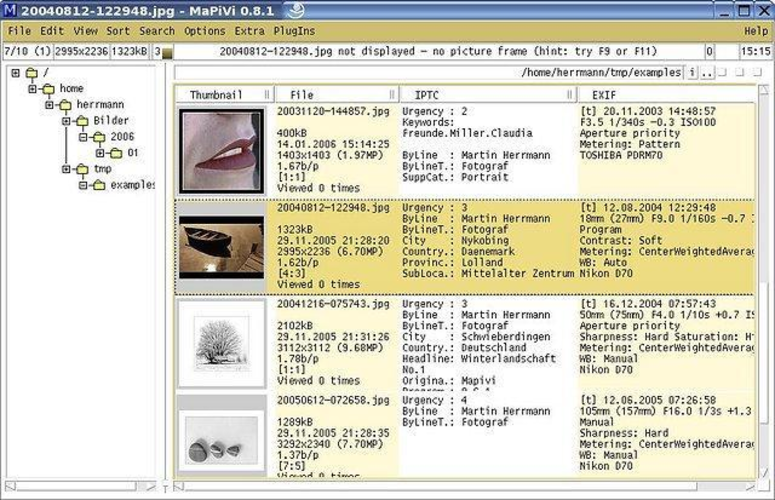
Mapivi is a lightweight image viewer and organizer for Linux.
Mapivi can serve as a basic replacement for ACDSee if you only need fast image viewing, simple tagging/rating and folder‑based browsing. It works well on Debian/Ubuntu and is lightweight, but it lacks RAW support, non‑destructive editing, advanced metadata handling and any facial‑recognition…
Feature parity45% -
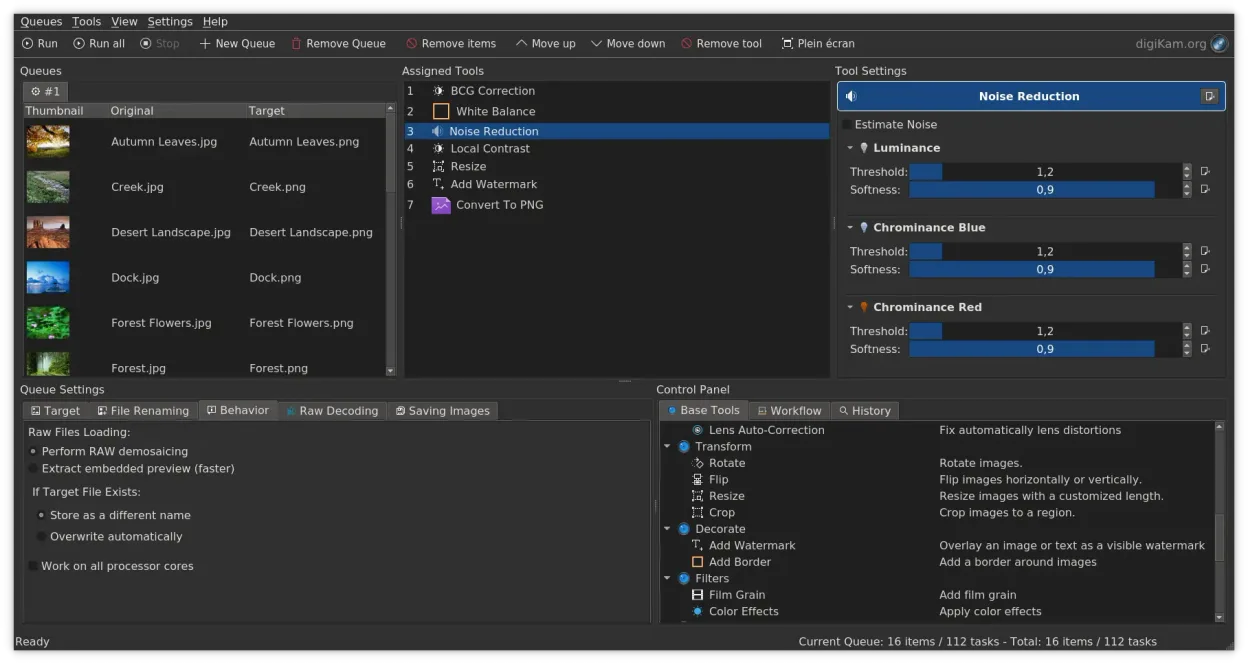
digiKam is a comprehensive KDE photo manager for organizing, tagging, and editing digital photos with strong RAW support.
digiKam can serve as a solid Linux replacement for ACDSee for users who need fast browsing, robust tagging, rating and RAW editing. It matches the core DAM functions and adds powerful search and import tools, but it lacks built‑in facial recognition and the polished, single‑click viewer speed some…
Feature parity78% -

Eye of GNOME is a lightweight image viewer for GNOME, designed for browsing and rotating images with minimal fuss.
Eye of GNOME is a poor replacement for ACDSee if you rely on organization, RAW editing, or facial recognition. It is a lightweight viewer only, suitable for quickly opening photos without waiting for a heavy application to load. If your workflow involves tagging, rating, or non-destructive editing…
Feature parity15% -

GwenView is KDE's fast image viewer with basic editing and annotation tools, ideal for browsing photo collections.
GwenView can replace ACDSee for basic image viewing, thumbnail browsing, and simple editing tasks such as rotation, crop, and color adjustments. It works well for users who need a lightweight, KDE‑based viewer that supports common formats and basic file management. However, it lacks advanced…
Feature parity45% -

F-Spot is a discontinued GNOME photo organizer with basic editing features.
F-Spot is not a good replacement for ACDSee for most users, especially those relying on RAW editing, batch operations, or catalog-based management. It lacks non-destructive editing, has no facial recognition, and offers minimal metadata control. While it handles basic tagging, rating, and viewing…
Feature parity35%





What is ACDSee?
ACDSee is used by photographers and hobbyists who need to manage, view, and edit large photo libraries. It combines fast browsing, metadata handling, and RAW processing in one tool. Its organizer features, including tagging and rating, make it popular for managing thousands of images efficiently.
The software follows a paid licensing model, with perpetual licenses and newer subscription options. Older versions were one-time purchases, but recent editions push recurring payments. There's no free version, though trial builds are available with limited functionality.
People seek Linux alternatives because ACDSee has no native Linux version. Users switching from Windows want similar speed, organization, and editing without relying on compatibility layers. They value open source tools that integrate well with the desktop and support non-destructive editing and RAW workflows.
What a replacement for ACDSee must do
- Fast image viewing and thumbnail browsing
- Photo organization with tagging and rating
- RAW image support and non-destructive editing
- Metadata (EXIF, IPTC) handling
- Batch operations and file management
- Face detection or recognition (optional)
- Catalog-based library management
Can you run ACDSee on Linux?
There is no native Linux version of ACDSee. It does not have a web version. Some users report limited success running older versions via Wine, but performance and stability are inconsistent, especially with large libraries or RAW files. Newer versions are unlikely to work. Proton and Bottles are not reliable for this application. Avoid relying on compatibility layers for regular use.
Which alternative should you choose?
digiKam is best for advanced users needing cataloging, tagging, and RAW editing. GwenView suits those wanting a fast KDE-integrated viewer. Eye of GNOME is ideal for basic viewing in GNOME. Mapivi offers simple browsing for minimalists. F-Spot and Picasa (discontinued) are outdated; avoid them unless on legacy systems.
Moving your ACDSee files and habits
Export tags, ratings, and edits from ACDSee as sidecar XMP files if possible. Most Linux tools read standard formats like JPEG, PNG, and RAW, but avoid proprietary databases. Use open metadata standards to ensure compatibility. Migrate photos to a regular directory structure and let your new tool import them cleanly.
Side-by-side comparison
| App | License | Flatpak | Latest version | Feature parity | Rating |
|---|---|---|---|---|---|
| Mapivi | GPL-3.0 | — | 097 | 45% | — |
| digiKam | GPL-2.0+ | ✓ | 9.1.0 | 78% | — |
| Eye of GNOME | GPL-2.0+ and GFDL-1.3 | ✓ | 50.2 | 15% | — |
| GwenView | GPL-2.0+ | ✓ | 26.04.3 | 45% | — |
| F-Spot | GPL-2.0 | — | — | 35% | — |
ACDSee: frequently asked questions
Can I use ACDSee on Linux with Wine?
Some older versions run partially under Wine, but expect crashes, slow performance, and missing features. Not recommended for regular use.
Is digiKam as fast as ACDSee for browsing?
digiKam can be fast once indexed, but initial setup takes time. It’s comparable for large libraries after the catalog is built.
Does any Linux app support facial recognition like ACDSee?
digiKam supports face detection and tagging, but recognition accuracy is limited. It’s functional but not as advanced as ACDSee Pro.
Can I keep my ACDSee ratings and tags?
If ACDSee wrote them to files (XMP, IPTC), Linux apps can read them. Otherwise, export metadata or use a tool that reads ACDSee’s database.
How important is ACDSee to you?
Know a better alternative? Suggest an alternative