
 digiKamLinux
vs
Adobe Lightroom CCWindows
digiKam as a Linux alternative to Adobe Lightroom CC
Updated
Our verdict
digiKam can serve as a practical Lightroom replacement for photographers who need a free, Linux‑native tool for cataloguing and non‑destructive RAW editing. It shines for users comfortable with KDE/Qt environments and who value flexible tagging, powerful search, and batch processing. It lacks some of Lightroom’s cloud sync, built‑in mobile ecosystem, and the depth of Adobe’s preset marketplace, so it’s best for hobbyists, indie shooters, or professionals who can live without those services.
- License
- GPL-2.0+
- Price
- Free
- Latest version
- 9.1.0 (June 7, 2026)
- Rating
- —
What works the same
- Both store images in a central catalog and support keyword/tagging, rating, and labeling.
- Non‑destructive RAW editing with color, exposure, and cropping tools.
- Batch export and processing capabilities.
- Ability to create and apply user‑defined presets or profiles.
What is different
- Lightroom offers seamless cloud sync and mobile editing; digiKam is desktop‑only.
- Lightroom’s UI is geared toward a streamlined workflow; digiKam’s KDE interface can feel more complex.
- Lightroom includes a large marketplace of commercial presets and profiles; digiKam relies on community‑made filters.
- Lightroom can directly edit Adobe-specific side‑car files (XMP) tied to its catalog; digiKam’s handling of those files is limited.
Opening your Adobe Lightroom CC files
digiKam can open standard RAW files that Lightroom supports, but it cannot read Lightroom-specific catalog files (.lrcat) or proprietary preset files (.lrtemplate). Exported JPEG/TIFF from Lightroom can be re‑imported without issue. If you need to preserve edits, you’ll have to export the edited images from Lightroom first.
Switching from Adobe Lightroom CC to digiKam, step by step
- Export your Lightroom catalog as a set of JPEG/TIFF files with embedded XMP side‑car data.
- Copy the original RAW files and the exported images to your Linux machine.
- Install digiKam (e.g., via Flathub or your distro’s package manager).
- Use digiKam’s import wizard to bring in the RAW files, applying the XMP side‑cars if present.
- Re‑create tags, ratings, and albums using digiKam’s tagging tools.
- Save your new digiKam albums as projects for future reference.
Key features of digiKam
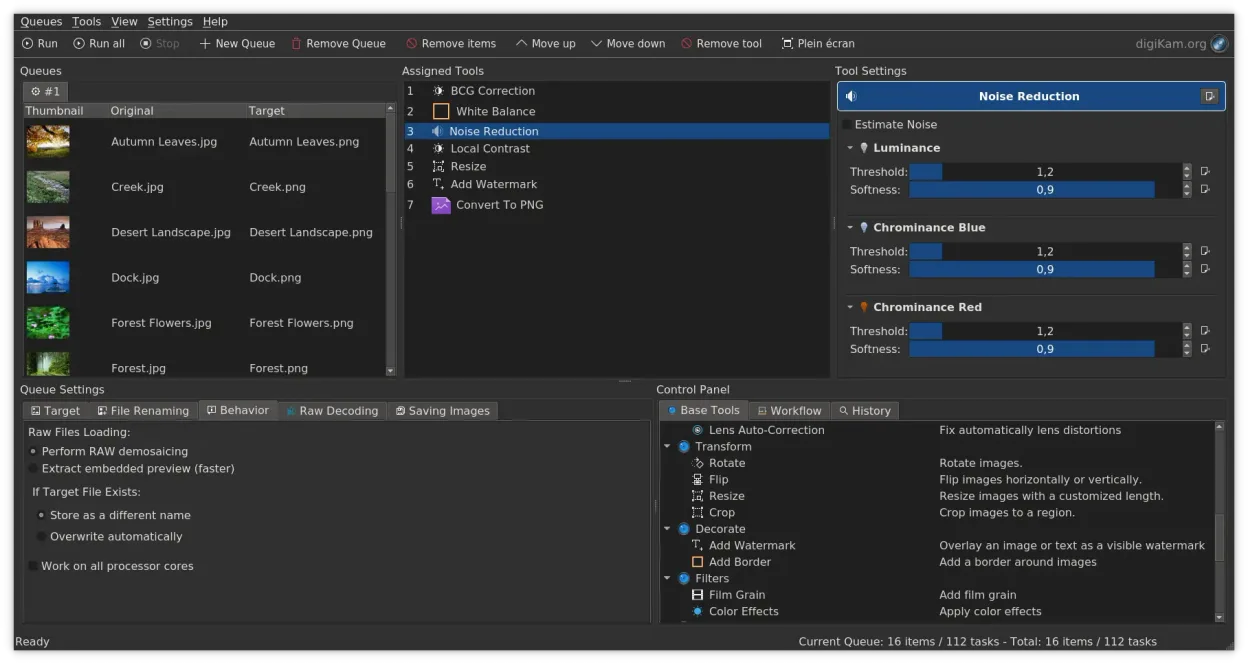
- Direct import from cameras, SD cards, and USB drives with configurable rules
- Advanced tagging, rating, and label systems for complex library organization
- Powerful search engine supporting EXIF, IPTC, and XMP metadata criteria
- Non-destructive editing with color adjustments, cropping, and sharpening
- Native RAW file support via LibRaw for decoding and preview
- Video cataloging and metadata extraction using FFmpeg backends
- Album organization with drag-and-drop interface
- Cross-platform availability for Linux, Windows, and macOS
How to install digiKam on Linux
flatpak install flathub org.kde.digikamsudo apt install digikamsudo apt install digikamsudo dnf install digikamsudo pacman -S digikamsudo zypper install digikamFrequently asked questions
Can I sync my digiKam library across multiple computers?
digiKam does not provide built‑in cloud sync; you need to use a third‑party file‑sync service (e.g., Nextcloud, Syncthing) to share the database and image folders.
Does digiKam support video editing like Lightroom?
It can catalog video files and extract metadata, but it lacks advanced video editing features; you’ll need a separate video editor.
Are Lightroom mobile apps compatible with digiKam?
No. digiKam has no mobile companion; you would have to transfer images manually or use a generic file‑sync solution.
3 other alternatives to Adobe Lightroom CC
 darktabledarktable is a free, open‑source photo editor that manages raw files and offers a full non‑destructive…Open sourceFreeFlatpakdarktable vs Adobe Lightroom CC
 RawTherapeeRawTherapee is an open‑source, cross‑platform raw photo development program.Open sourceFreeFlatpakRawTherapee vs Adobe Lightroom CC
 ShotwellShotwell is a GNOME photo manager for importing, organizing, and lightly editing images.Open sourceFreeFlatpakShotwell vs Adobe Lightroom CC