
 GIMPLinux
vs
Luminar AIWindows
GIMP as a Linux alternative to Luminar AI
Updated
Our verdict
GIMP is not a direct replacement for Luminar AI for users who rely on AI-powered automation for sky replacement, face editing, or one-click style application. It excels as a manual photo editor with deep layer and mask control, making it suitable for advanced users comfortable with hands-on retouching. However, those seeking automated, AI-driven workflows will find GIMP lacking. It's a strong alternative for technical image manipulation, but not for simplicity or AI assistance. Use GIMP if you prioritize control over convenience.
- License
- GPL-3.0+ AND LGPL-3.0+
- Price
- Free
- Latest version
- 3.2.8 (November 2, 2026)
- Rating
- —
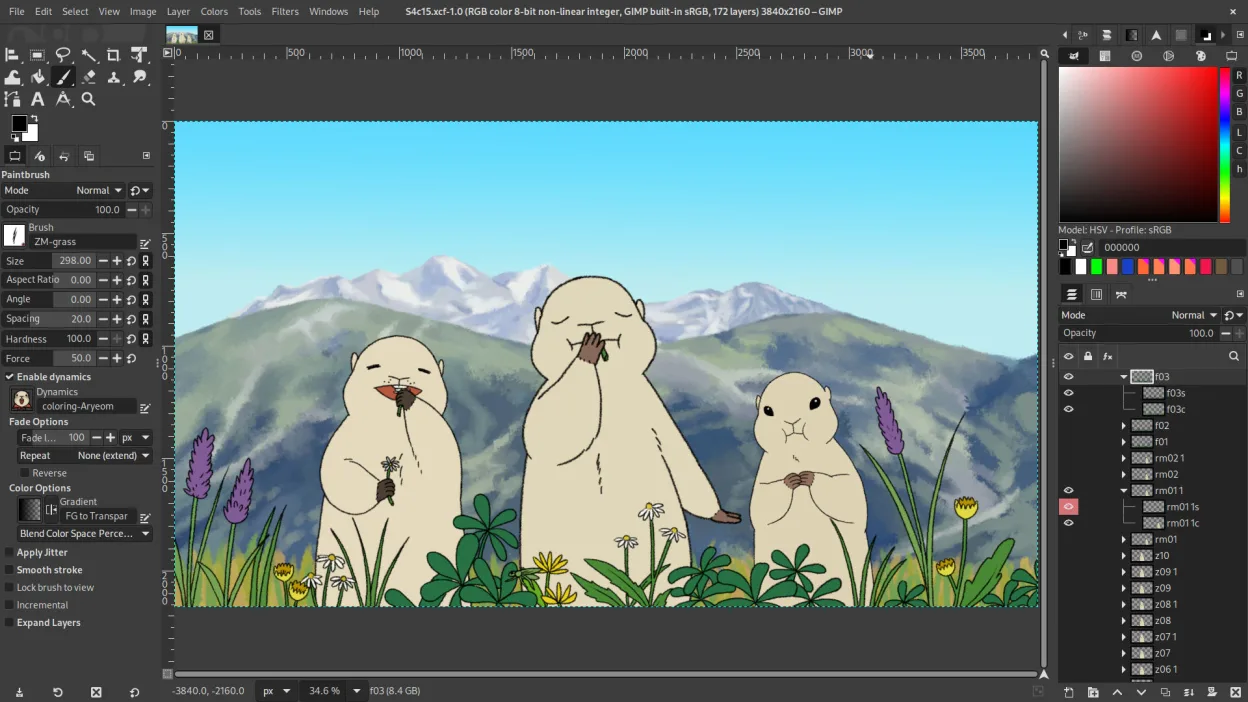
What works the same
- Layer-based editing with masks and blending modes
- Support for non-destructive editing via plug-ins like G'MIC
- Batch processing using scripting (Script-Fu, Python)
- Advanced retouching and color adjustment tools
- Extensive file format support including PSD, TIFF, JPEG
What is different
- No built-in AI for sky or face editing
- No portrait-specific enhancement tools with automatic detection
- No native preset automation or style templates like Luminar AI
- Steeper learning curve; less focused on quick, automated results
- Interface is more complex and less optimized for photo-only workflows
Opening your Luminar AI files
GIMP does not natively open Luminar AI project files (.luminar or similar). There is no known converter or compatibility layer for importing Luminar-specific edits. You can export images from Luminar AI as TIFF, PSD, or JPEG and edit them in GIMP, but non-destructive adjustments and layer structures from Luminar will not transfer. For ongoing workflows, treat GIMP as a separate editor rather than a drop-in replacement for project files.
Switching from Luminar AI to GIMP, step by step
- Export your Luminar AI images as TIFF or PSD with layers if needed
- Install GIMP from your distribution's repository or Flathub
- Add G'MIC plug-in for enhanced filters and non-destructive editing
- Use GIMP's layer masks and brush tools to manually replicate effects
- Automate repetitive tasks with Python scripts or Script-Fu
Key features of GIMP
- Layer-based editing with masks, blending modes, and transparency
- Advanced brush engine for digital painting and retouching
- Support for Photoshop-compatible plug-ins (via compatibility layers)
- Batch processing and scripting with Script-Fu, Python, or GEGL
- Non-destructive editing possible through plug-ins like G'MIC
- Extensive format support: PNG, JPEG, TIFF, PSD, WebP, and more
- Customizable interface with dockable panels and themes
- Color management with ICC profile support
How to install GIMP on Linux
flatpak install flathub org.gimp.GIMPsudo apt install gimpsudo apt install gimpsudo dnf install gimpsudo pacman -S gimpsudo zypper install gimpFrequently asked questions
Can GIMP do sky replacement like Luminar AI?
No, GIMP has no built-in AI sky replacement. You must manually composite skies using layers, masks, and selection tools, which requires more skill and time.
Is GIMP good for portrait editing?
Yes, but manually. GIMP supports detailed retouching with brushes and filters, but lacks automatic face detection or enhancement tools found in Luminar AI.
Can I use Luminar AI presets in GIMP?
No. GIMP doesn't support Luminar AI presets. You can mimic styles using G'MIC or create custom scripts, but automation is limited.
4 other alternatives to Luminar AI
 darktabledarktable is a free, open‑source photo editor that manages raw files and offers a full non‑destructive…Open sourceFreeFlatpakdarktable vs Luminar AI
 RawTherapeeRawTherapee is an open‑source, cross‑platform raw photo development program.Open sourceFreeFlatpakRawTherapee vs Luminar AI
 digiKamdigiKam is a comprehensive KDE photo manager for organizing, tagging, and editing digital photos with strong…Open sourceFreeFlatpakdigiKam vs Luminar AI
 LightZoneLightZone is a free, open‑source RAW photo editor with a non‑destructive tool‑stack workflow.Open sourceFreeFlatpakLightZone vs Luminar AI