
 GIMPLinux
vs
Lightroom MobileWindows
GIMP as a Linux alternative to Lightroom Mobile
Updated
Our verdict
GIMP can replace Lightroom Mobile for basic RAW editing and batch export, but it lacks the mobile‑first, cloud‑sync workflow that Lightroom offers. It is suitable for users who prefer a free, open‑source desktop editor and are comfortable with manual workflow steps. Those who need instant cloud backup, cross‑device sync, or a touch‑optimized interface will find GIMP insufficient.
- License
- GPL-3.0+ AND LGPL-3.0+
- Price
- Free
- Latest version
- 3.2.8 (November 2, 2026)
- Rating
- —
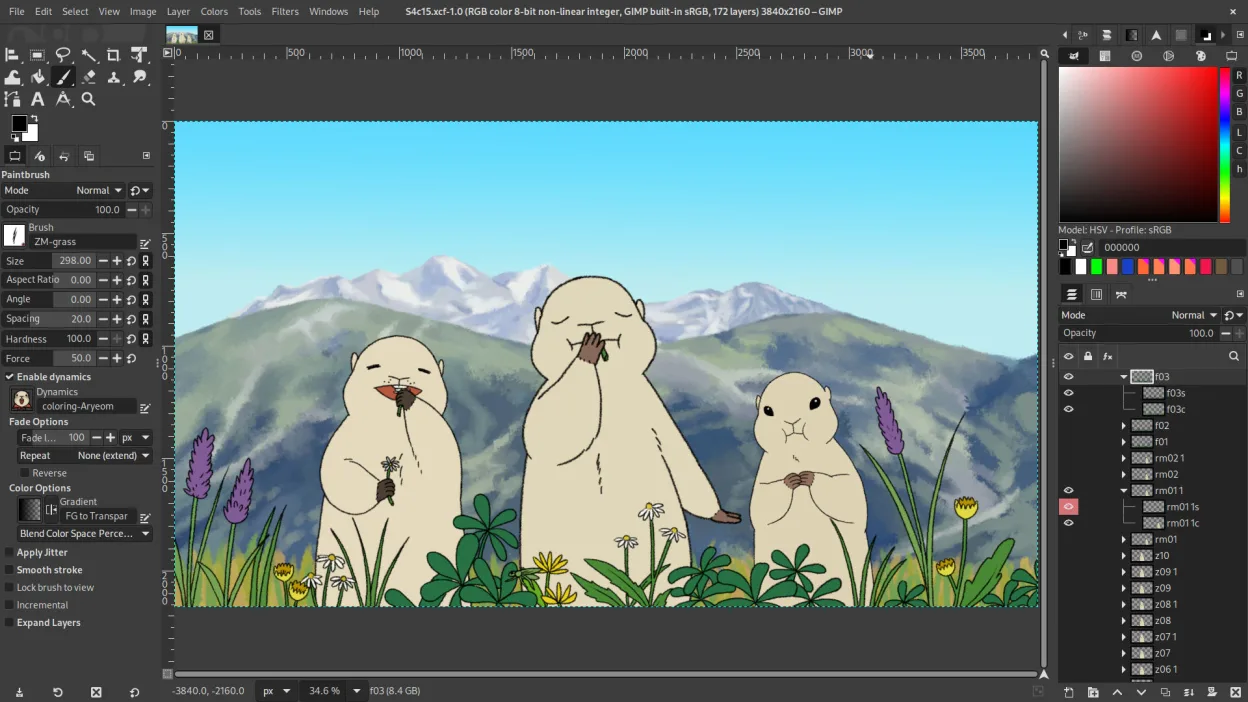
What works the same
- Both support RAW import and non‑destructive adjustments (via layers or masks in GIMP, adjustment layers in Lightroom),
- Both allow metadata tagging and organization of images within the application
- Both provide batch export capabilities (GIMP via scripts, Lightroom via export presets)
What is different
- GIMP has no built‑in cloud sync; Lightroom Mobile syncs edits across devices
- GIMP is a desktop application, not mobile‑friendly; Lightroom Mobile is designed for touch screens
- Lightroom Mobile offers a streamlined, preset‑based workflow; GIMP requires manual layer and mask setup
- GIMP lacks native integration with Adobe cloud services and Lightroom catalog
- Lightroom Mobile provides automatic backup to cloud storage; GIMP relies on local or external backup solutions
Opening your Lightroom Mobile files
Lightroom Mobile stores images in its proprietary catalog format (.lrcat) and edits are applied to RAW files. GIMP can open RAW files directly via the UFRaw or Darktable plug‑in, but it cannot read Lightroom Mobile catalog files or apply Lightroom presets. Exporting from GIMP to common formats (JPEG, TIFF, PNG) is straightforward, but you would need to re‑apply edits in Lightroom Mobile if you want to maintain a Lightroom catalog.
Switching from Lightroom Mobile to GIMP, step by step
- 1. Export RAW files from Lightroom Mobile to a local folder using the export feature.
- 2. Install GIMP and any RAW plug‑ins (UFRaw or Darktable) on your Linux system.
- 3. Open the exported RAW files in GIMP, apply non‑destructive edits using layers or G'MIC.
- 4. Export the edited images to JPEG/TIFF for use on mobile devices or re‑import them into Lightroom Mobile if needed.
Key features of GIMP
- Layer-based editing with masks, blending modes, and transparency
- Advanced brush engine for digital painting and retouching
- Support for Photoshop-compatible plug-ins (via compatibility layers)
- Batch processing and scripting with Script-Fu, Python, or GEGL
- Non-destructive editing possible through plug-ins like G'MIC
- Extensive format support: PNG, JPEG, TIFF, PSD, WebP, and more
- Customizable interface with dockable panels and themes
- Color management with ICC profile support
How to install GIMP on Linux
flatpak install flathub org.gimp.GIMPsudo apt install gimpsudo apt install gimpsudo dnf install gimpsudo pacman -S gimpsudo zypper install gimp4 other alternatives to Lightroom Mobile
 darktabledarktable is a free, open‑source photo editor that manages raw files and offers a full non‑destructive…Open sourceFreeFlatpakdarktable vs Lightroom Mobile
 RawTherapeeRawTherapee is an open‑source, cross‑platform raw photo development program.Open sourceFreeFlatpakRawTherapee vs Lightroom Mobile
 digiKamdigiKam is a comprehensive KDE photo manager for organizing, tagging, and editing digital photos with strong…Open sourceFreeFlatpakdigiKam vs Lightroom Mobile
 ShotwellShotwell is a GNOME photo manager for importing, organizing, and lightly editing images.Open sourceFreeFlatpakShotwell vs Lightroom Mobile