

Windows · Internet
Best Linux alternatives to Google Chrome
Google Chrome is a widely used cross-platform browser based on the Chromium engine, available for Linux and other operating systems.
Updated
Quick answer
The best Linux alternative to Google Chrome is Chromium. Other strong options: SeaMonkey, Epiphany, Opera.
10 Linux alternatives to Google Chrome
-
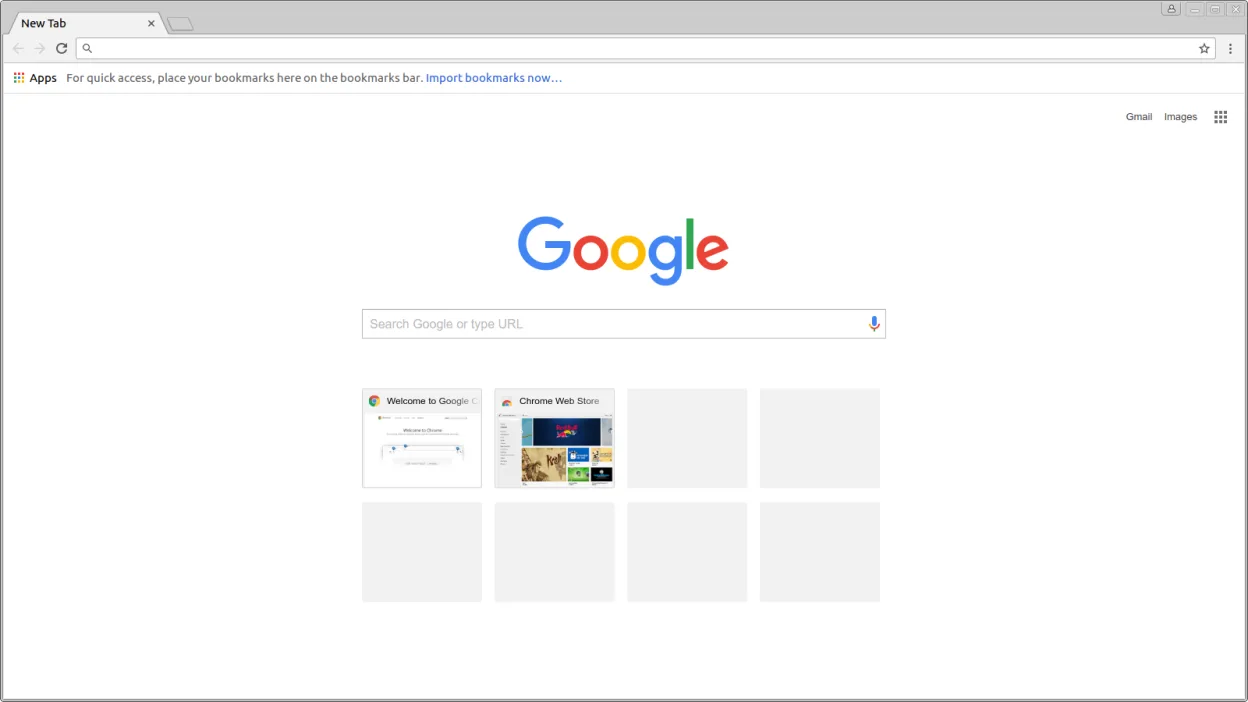
Chromium is the open-source core behind Chrome and Edge, providing a fast, stable web browser without proprietary Google services.
Chromium is a good replacement for Google Chrome on Linux, especially for users who prioritize open-source software and want to avoid Google's telemetry and forced account integrations. It delivers the same core browsing experience: fast page loads, strong JavaScript performance, and full…
Feature parity95% -

SeaMonkey is a free internet suite with browser, email, and HTML editor, based on the old Netscape codebase.
SeaMonkey can serve as a basic replacement for Chrome if you only need standard web browsing, email, and occasional HTML editing. It lacks Chrome's speed, extension ecosystem, and modern web‑app compatibility, so power users or developers will feel the gap. Casual users who value an all‑in‑one…
Feature parity55% -
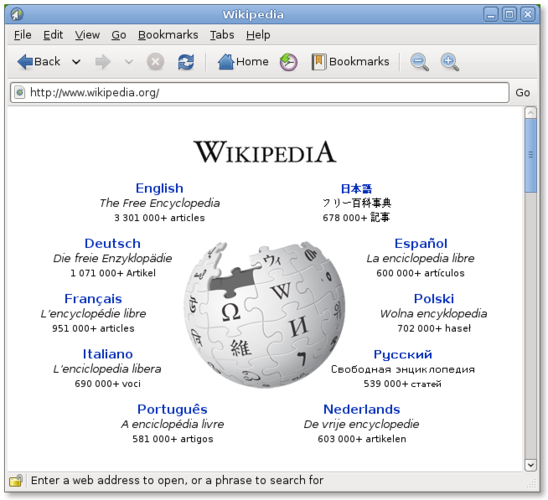
Epiphany (GNOME Web) is a lightweight GNOME‑based web browser built on WebKit.
Epiphany is a solid, lightweight alternative if you prioritize privacy and simplicity over feature density. It handles everyday browsing, news reading, and basic web apps well, thanks to its WebKit engine. However, it is not a direct drop-in replacement for power users who rely heavily on Chrome…
Feature parity65% -

Opera GX is a proprietary, Chromium-based browser for Linux that adds resource limits and integrated social tools for gamers.
Opera GX can replace Google Chrome on Linux for users who want a Chromium‑based browser with extra gaming features. It offers the same core browsing experience, but adds resource limits, a built‑in Discord/Twitch sidebar, an ad‑blocking VPN, and a music player. If you’re a gamer or streamer who…
Feature parity85% -
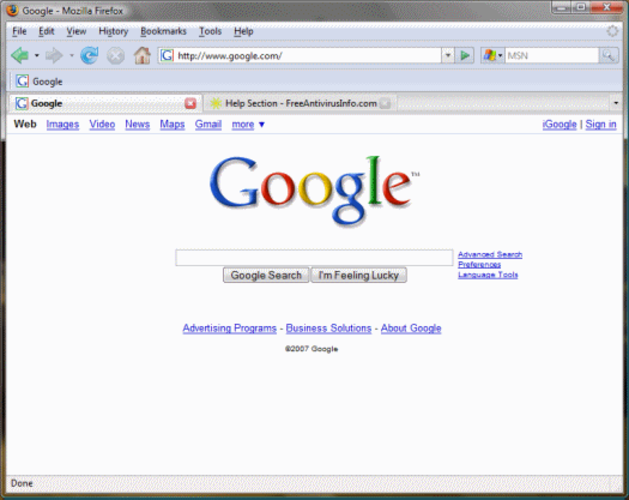
Mozilla Firefox is an open‑source web browser that runs natively on Linux, providing a fast, secure browsing experience.
Mozilla Firefox is a solid replacement for Google Chrome on Linux. It offers comparable speed, strong privacy defaults, and a mature extension ecosystem, making it suitable for everyday browsing, web development, and privacy‑conscious users. Power users who rely heavily on Chrome‑specific features…
Feature parity85% -
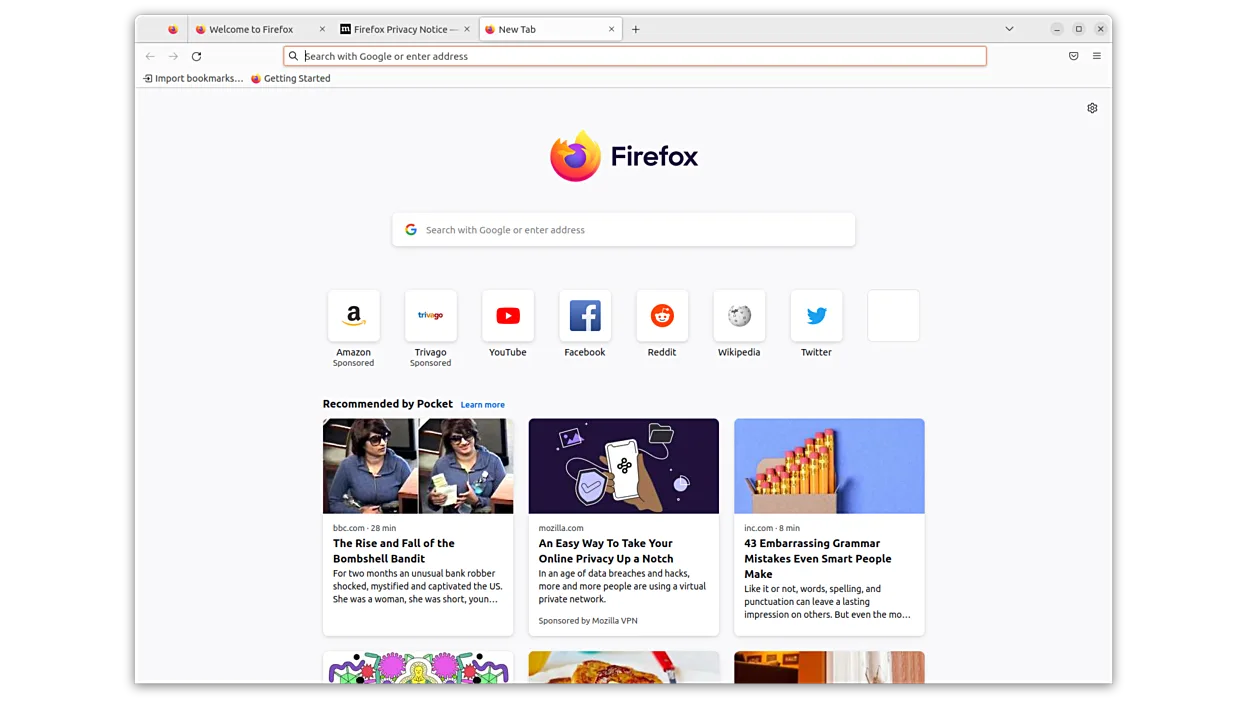
Firefox is a fast, private web browser developed by Mozilla.
Firefox is a strong, native Linux replacement for Google Chrome, especially if you value privacy and independence from Big Tech. It handles standard web browsing, extensions, and sync effectively. However, it is not identical; Chrome users relying heavily on specific Google ecosystem integrations…
Feature parity85% -
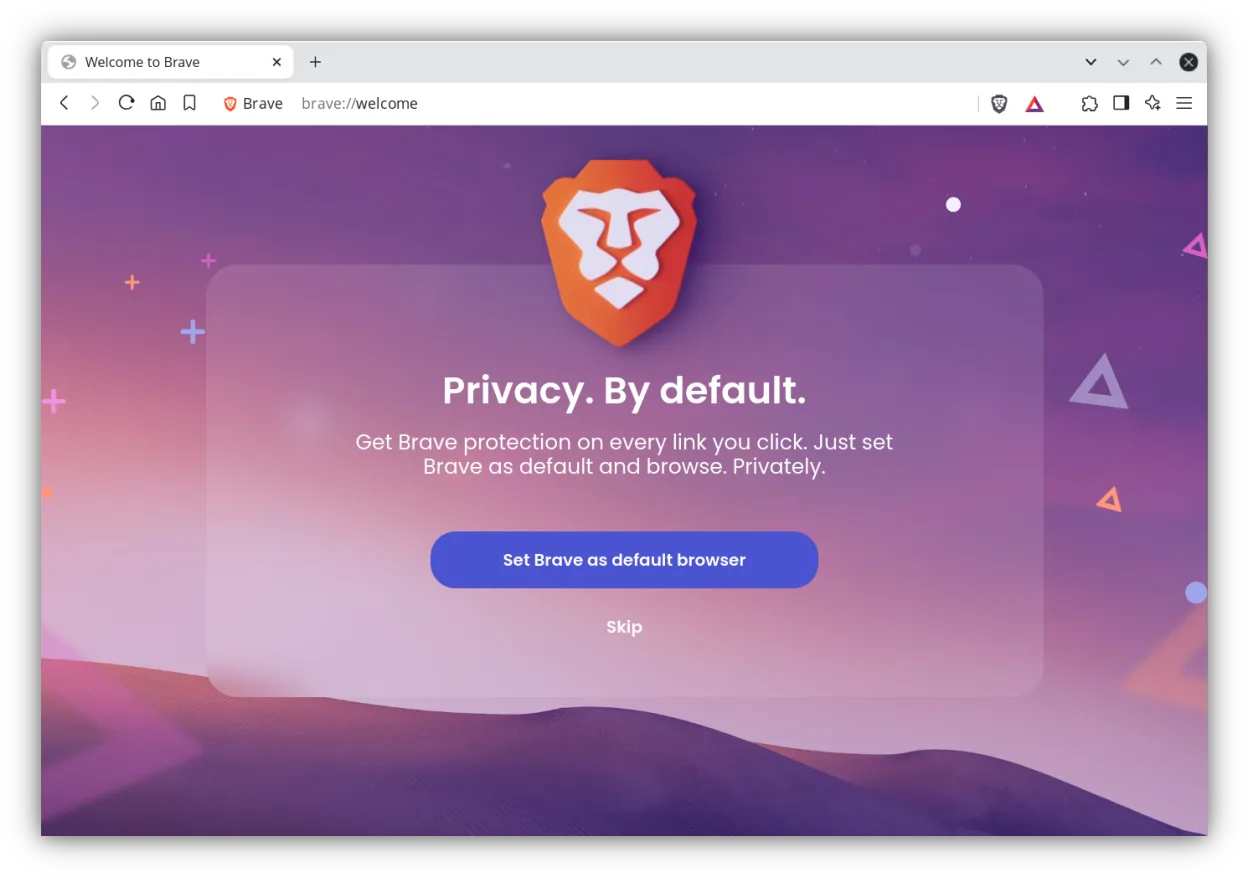
Brave is a fast, privacy‑focused web browser that blocks ads and trackers by default and offers an optional rewards system.
Brave is a strong replacement for Google Chrome if you value privacy and speed over ecosystem integration. Since it is Chromium-based, it handles the same core browsing tasks, extensions, and rendering. You lose direct Google account sync and some Google-specific features, but gain built-in…
Feature parity90% -
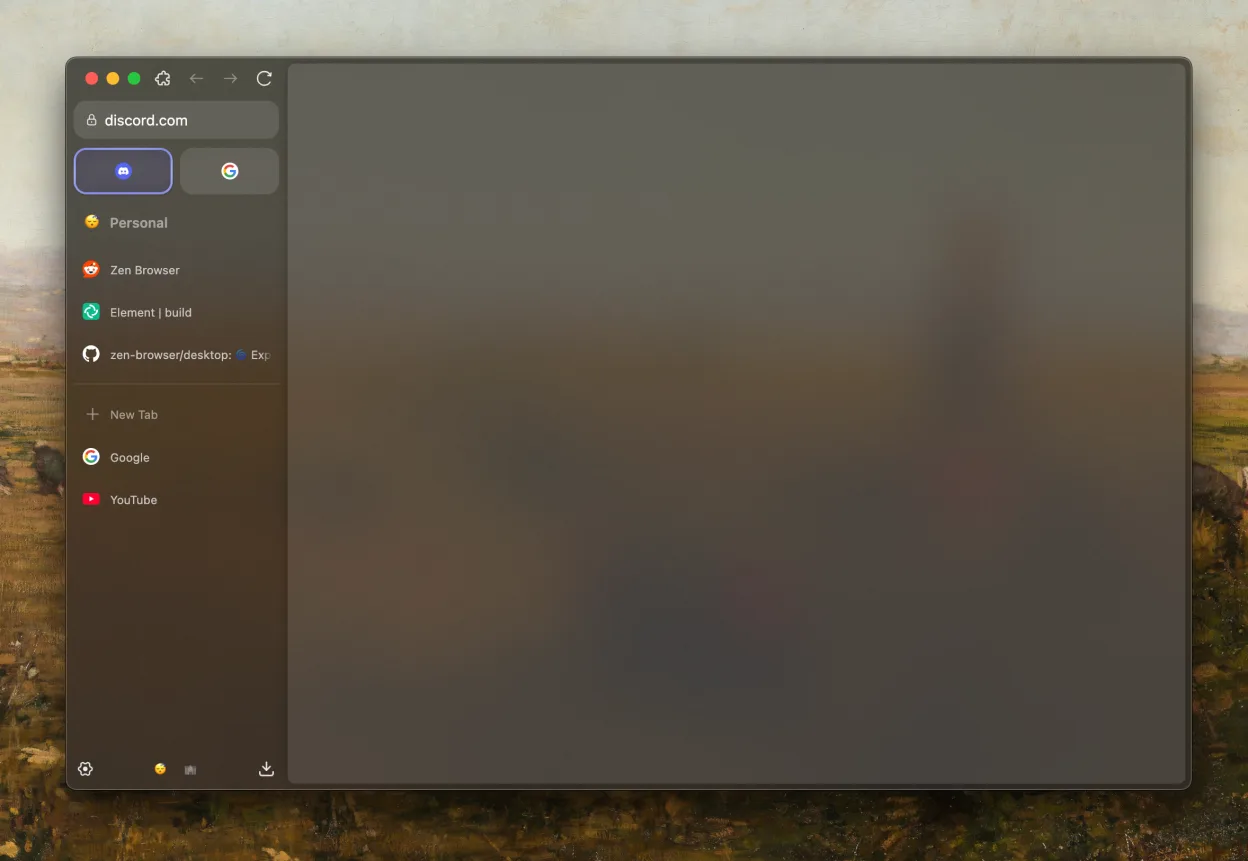
Zen is a lightweight, privacy‑focused web browser that keeps tabs organized and browsing fast.
Zen can replace Google Chrome for users who want a lightweight, privacy‑focused browser with advanced tab management. It offers split view, web sidebar, tab groups, vertical tabs, and theme support, making it suitable for developers, students, or anyone who spends a lot of time multitasking in the…
Feature parity70% -
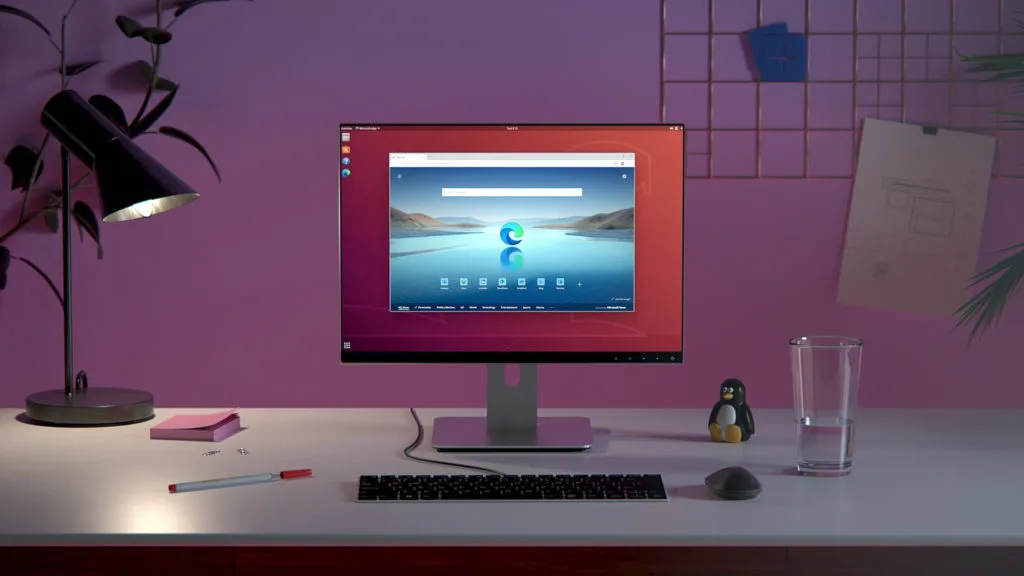
Microsoft Edge for Linux is a Chromium‑based browser with integrated privacy tools and a unified experience across devices.
Microsoft Edge on Linux is a solid replacement for Google Chrome for users who want a Chromium‑based browser with added privacy controls and Microsoft ecosystem integration. It offers the same core browsing experience, extension support, and performance, while adding tracking prevention, built‑in…
Feature parity85% -

Konqueror is a KDE web browser and file manager with support for local and remote filesystems, including cloud storage.
Konqueror can replace Chrome for users who need a lightweight, KDE‑integrated browser and are comfortable with its KHTML‑based rendering. It works well for basic web browsing, tabbed sessions, and handling local or remote files, but it lacks many of Chrome's modern web‑app optimizations, extension…
Feature parity65%









What is Google Chrome?
Google Chrome is a web browser designed for general web browsing, supporting modern web standards, extensions, and cloud integration. It's commonly used by everyday users, developers, and enterprises due to its speed, frequent updates, and compatibility with web apps.
Chrome is free to use and distributed under permissive terms, but it includes proprietary components like automatic updates and media codecs. The open-source Chromium project forms its base, allowing other browsers to build from it without Google's services.
People seek Linux alternatives to avoid Google's data collection, reduce reliance on proprietary software, or use lightweight or more privacy-focused browsers. Some prefer browsers better integrated with their desktop environment, such as GNOME or KDE, or want full FOSS compliance.
Can you run Google Chrome on Linux?
Google Chrome has a native Linux version available for 64-bit distributions (Debian, Ubuntu, Fedora, openSUSE). It's distributed as a .deb or .rpm package directly from Google. While not fully open source, it runs reliably on Linux without compatibility layers. Updates are managed through the package manager or Google's repository.
Which alternative should you choose?
Use Chromium for a fully open-source Chrome alternative without Google services. Mozilla Firefox suits those prioritizing privacy and customization. Epiphany works well on GNOME with minimal resource use. Opera offers built-in ad blocking and a free VPN. SeaMonkey provides an all-in-one internet suite. Konqueror fits KDE users needing file and web browsing in one. Google Chrome remains an option if you need full compatibility with Google services.
Moving your Google Chrome files and habits
You can import bookmarks, passwords, and history directly from Chrome into most Linux browsers. Firefox and Chromium-based browsers support Chrome extensions or equivalents. Chrome stores data in ~/.config/google-chrome; copying this folder allows profile migration. Most modern browsers support the same web standards, so site compatibility is generally not an issue.
Side-by-side comparison
| App | License | Flatpak | Latest version | Feature parity | Rating |
|---|---|---|---|---|---|
| Chromium | BSD-3-Clause and LGPL-2.1+… | ✓ | 156.0.8078.47 | 95% | — |
| SeaMonkey | MPL-2.0 | — | 2.53.24 | 55% | — |
| Epiphany | GPL-3.0 | — | — | 65% | — |
| Opera | LicenseRef-proprietary=https… | ✓ | 137.0.6036.65 | 85% | — |
| Mozilla Firefox | MPL-2.0 | — | — | 85% | — |
| Firefox | MPL-2.0 | ✓ | 158.0.1 | 85% | — |
| Brave | MPL-2.0 | ✓ | 1.98.60 | 90% | — |
| Zen | MPL-2.0 | ✓ | 1.23.4b | 70% | — |
| Microsoft Edge | LicenseRef-proprietary | ✓ | 156.0.4314.42-1 | 85% | — |
| Konqueror | GPL-2.0-or-later | — | 26.08.2 | 65% | — |
Google Chrome: frequently asked questions
Can I install Chrome extensions in Chromium?
Yes, most Chrome extensions from the Chrome Web Store work in Chromium, though some may require manual installation or fail due to missing APIs.
Is Chrome on Linux as secure as on Windows?
Yes, Chrome on Linux receives the same security updates and sandboxing features, though the overall system security depends on the Linux distribution and setup.
Does Chrome support Netflix and DRM content on Linux?
Yes, Chrome on Linux supports Widevine DRM, allowing playback of Netflix, Amazon Prime, and other protected streaming services.
Why do some prefer Chromium over Chrome?
Chromium is fully open source and lacks Google tracking, telemetry, and proprietary components, making it preferred by privacy-conscious and FOSS-focused users.
How important is Google Chrome to you?
Know a better alternative? Suggest an alternative