

Windows · Internet
Best Linux alternatives to Mozilla Firefox
Firefox is a free, open‑source web browser that runs on Windows, macOS, Linux and mobile platforms.
Updated
Quick answer
The best Linux alternative to Mozilla Firefox is Firefox. Other strong options: Brave, Zen, FreeTube.
12 Linux alternatives to Mozilla Firefox
-
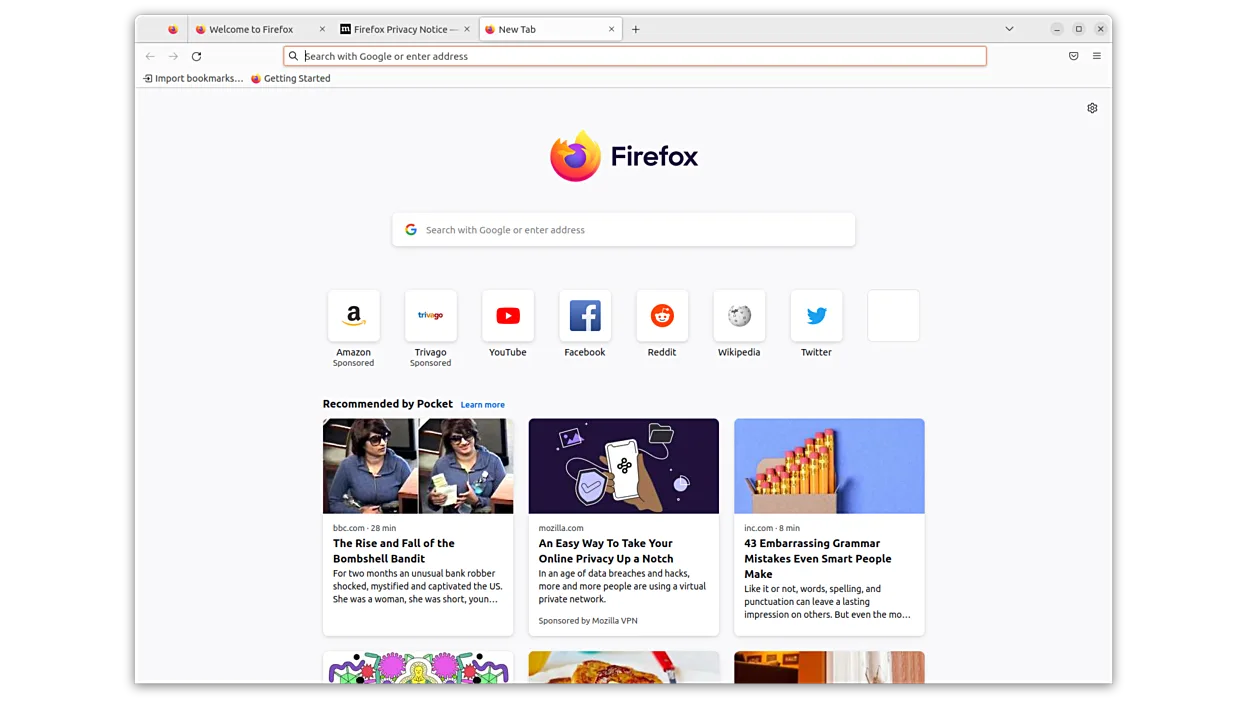
Firefox is a fast, private web browser developed by Mozilla.
Firefox on Linux is the same product as the Windows version, so it is an excellent replacement for users who want the same features, performance, and privacy controls on a Linux desktop. It works well for developers, power users, and everyday browsers, providing fast page loading, strong tracking…
Feature parity90% -
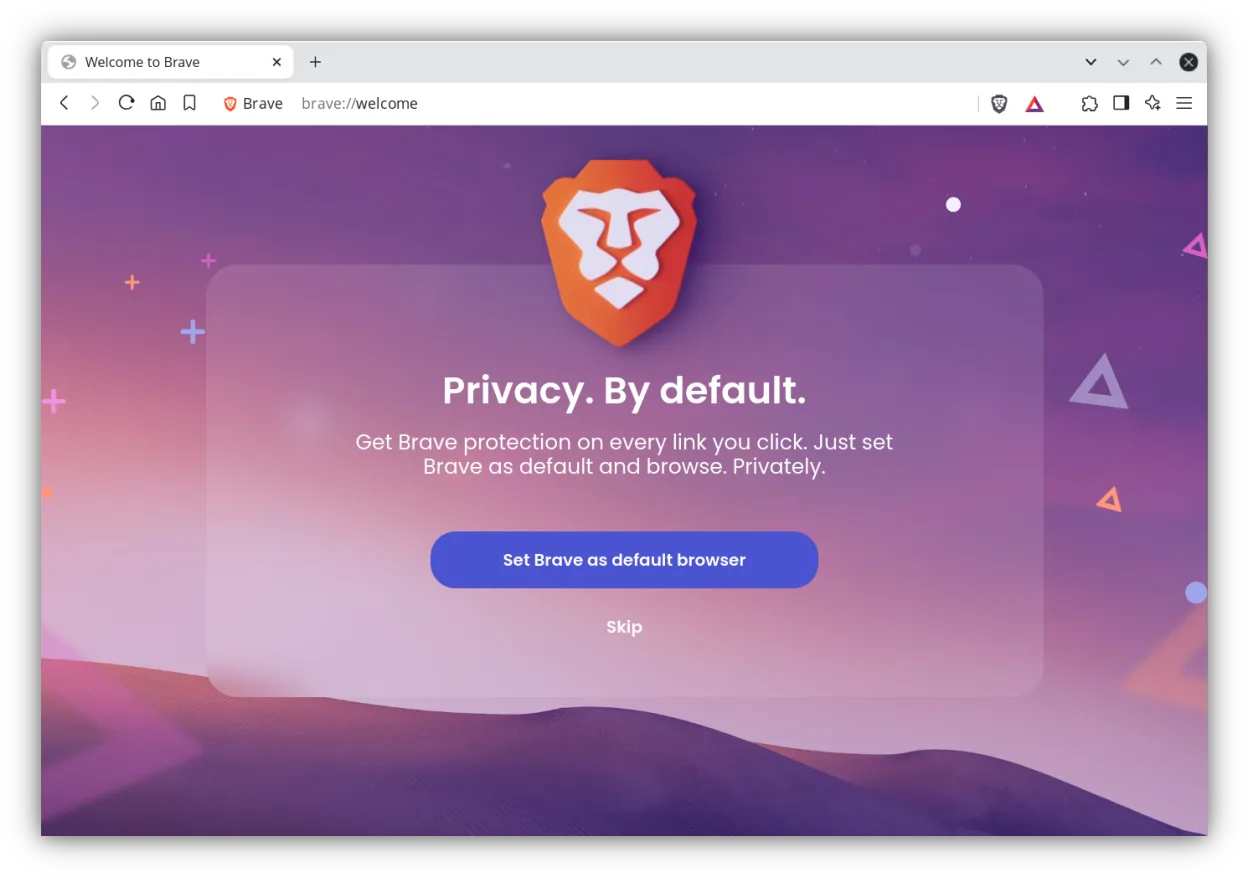
Brave is a fast, privacy‑focused web browser that blocks ads and trackers by default and offers an optional rewards system.
Brave can replace Firefox for most everyday users who value speed and built‑in privacy. It supports HTML5, WebGL, bookmarks, passwords, and extensions via Chromium. The sync works across devices. However, users who rely on Firefox‑specific add‑ons, certain developer tools, or the long‑standing…
Feature parity80% -
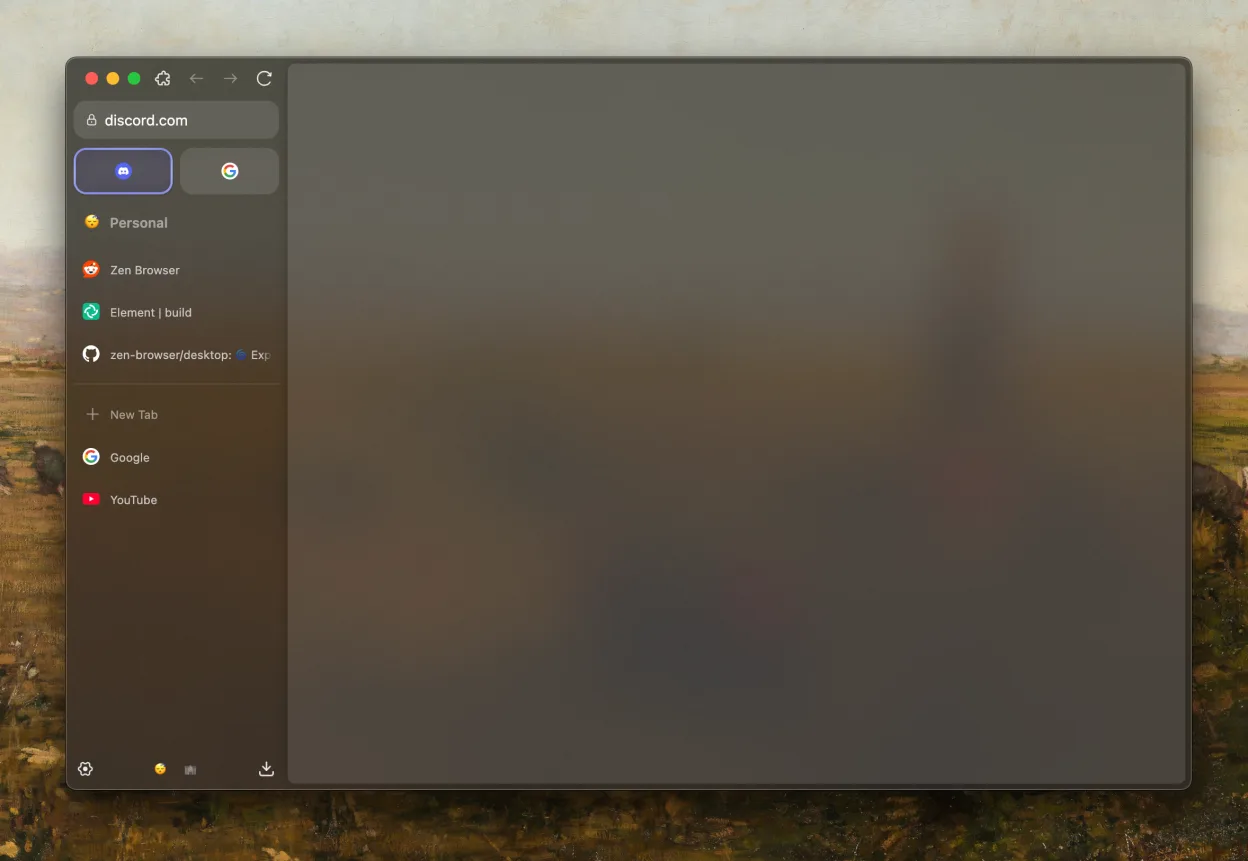
Zen is a lightweight, privacy‑focused web browser that keeps tabs organized and browsing fast.
Zen can serve as a lightweight alternative to Firefox for users who value speed, minimal data collection, and a tidy tab management system. It supports core browsing functions, modern web standards, and basic privacy controls, making it suitable for casual users and those on low‑resource systems…
Feature parity70% -

FreeTube is a lightweight YouTube client that blocks ads and tracking, built with privacy in mind.
FreeTube is not a replacement for Mozilla Firefox. It is a lightweight YouTube client, not a full web browser. It will satisfy users who only need to watch YouTube without ads and want privacy, but it cannot handle general web browsing, extensions, or sync features that Firefox offers.
Feature parity15% -

Microsoft Edge for Linux is a Chromium‑based browser with integrated privacy tools and a unified experience across devices.
Microsoft Edge is a solid replacement for Mozilla Firefox on Linux for users who value a Chromium‑based engine, integrated Microsoft services, and built‑in tracking protection. It delivers fast rendering, Chrome extension support, and cross‑device sync via a Microsoft account. Those who rely…
Feature parity85% -
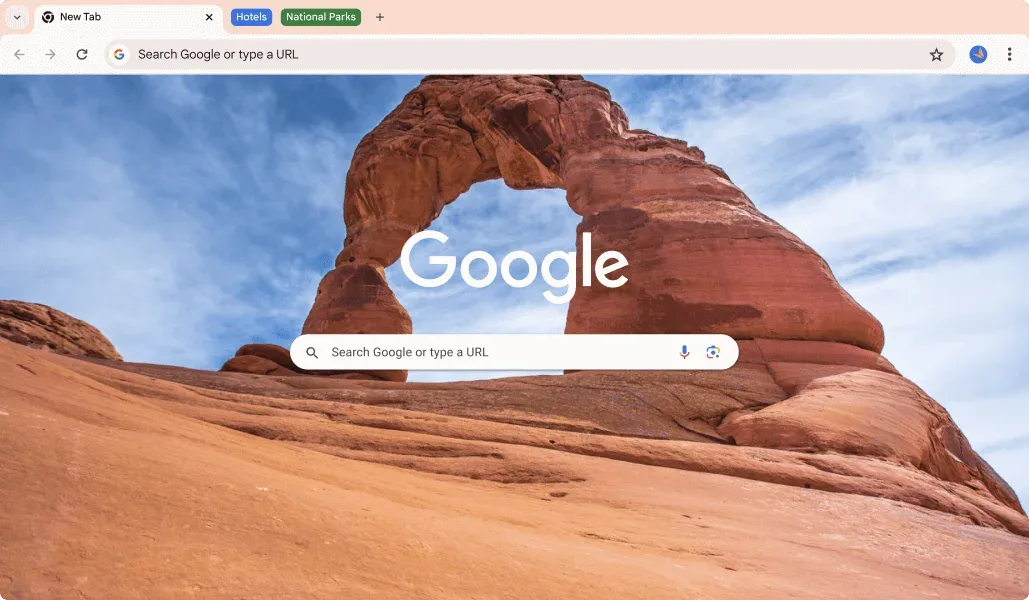
Google Chrome is a proprietary, Chromium-based web browser for Linux that offers a familiar, fast browsing experience with full extension support.
Google Chrome is a solid replacement for Firefox if you prioritize speed and Google ecosystem integration. It handles modern web standards like HTML5 and WebGL well, offering a fast, stable experience on Linux. However, it is proprietary and collects more data, lacking the granular privacy controls…
Feature parity85% -
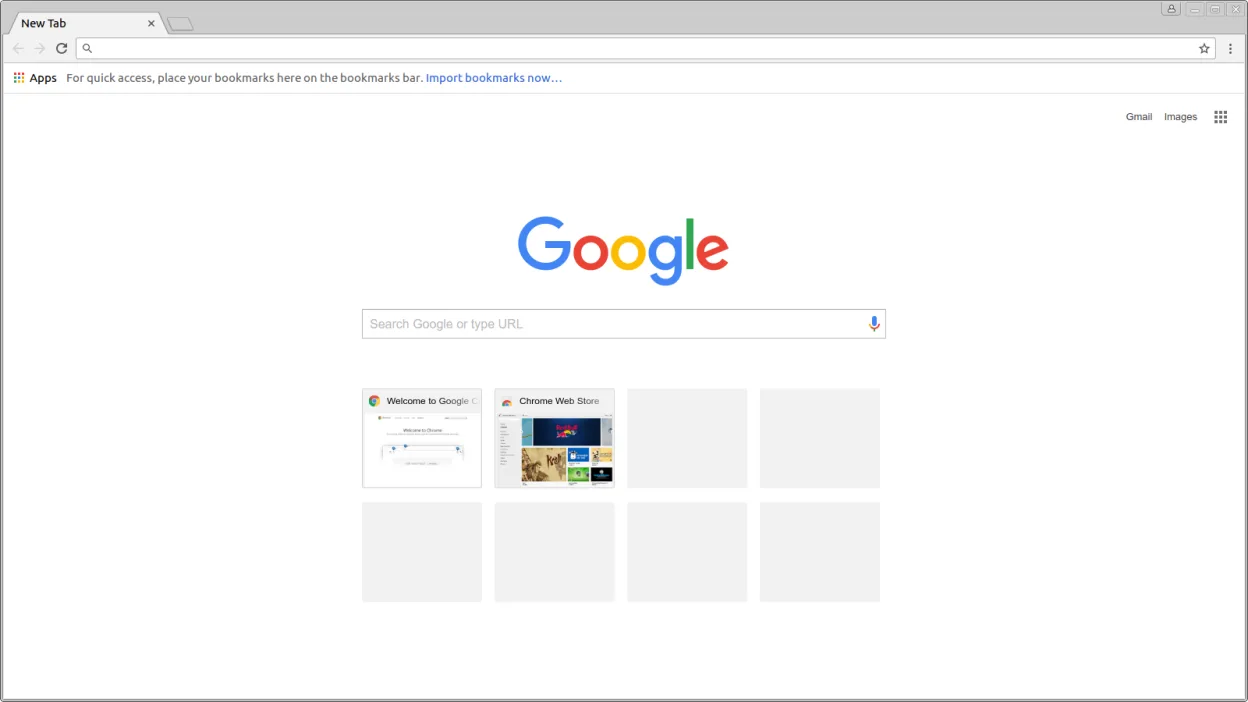
Chromium is the open-source core behind Chrome and Edge, providing a fast, stable web browser without proprietary Google services.
Chromium is a solid replacement for Firefox if you prioritize raw JavaScript performance and access to the vast Chrome Web Store. It handles modern web standards, including WebGL and complex HTML5, with excellent stability on Linux. However, it is not a drop-in swap for privacy-focused Firefox…
Feature parity85% -

Opera GX is a proprietary, Chromium-based browser for Linux that adds resource limits and integrated social tools for gamers.
Opera GX is a solid replacement for Firefox if you want built-in resource limits, a free VPN, and integrated social apps without installing extra software. It handles modern web standards well and runs stably on Linux. However, it is proprietary, so it lacks the open-source transparency Firefox…
Feature parity85% -

Konqueror is a KDE web browser and file manager with support for local and remote filesystems, including cloud storage.
Konqueror can serve as a replacement for Firefox on Linux, but only for users who are comfortable with a less polished web‑only experience. It renders pages with the older KHTML engine, so most modern sites work, but you may hit compatibility issues with newer JavaScript‑heavy applications. If you…
Feature parity68% -

SeaMonkey is a free internet suite with browser, email, and HTML editor, based on the old Netscape codebase.
SeaMonkey is a functional but dated alternative to Firefox. It is not a direct 1:1 replacement for power users who rely on modern web standards or extensive add-on ecosystems. It suits users who want a single, lightweight suite for basic browsing, email, and simple HTML editing without managing…
Feature parity60% -
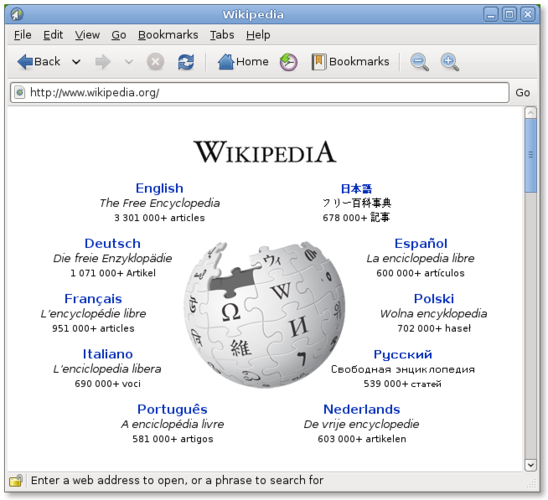
Epiphany (GNOME Web) is a lightweight GNOME‑based web browser built on WebKit.
Epiphany can serve as a lightweight replacement for users who only need basic browsing and prefer tight GNOME integration. It handles HTML5, CSS3, JavaScript, and offers private mode, reader view, and password sync via GNOME Keyring. However, it lacks the extensive extension ecosystem, advanced…
Feature parity60% -
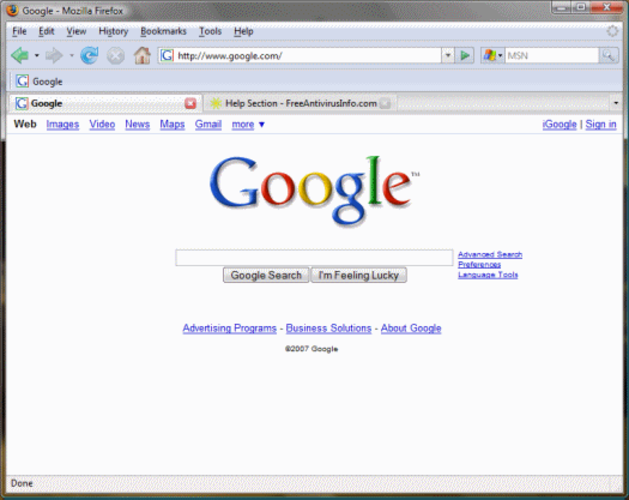
Mozilla Firefox is an open‑source web browser that runs natively on Linux, providing a fast, secure browsing experience.
Mozilla Firefox on Linux is a direct replacement for the Windows version. It offers the same rendering engine, extension ecosystem, and sync features, so anyone who relies on Firefox for everyday browsing, development, or privacy will feel at home. Linux users who need a stable, standards‑compliant…
Feature parity98%










What is Mozilla Firefox?
Mozilla Firefox is a widely used web browser for everyday browsing, web development, and media consumption. It is popular among individuals, schools, and enterprises that prefer an open‑source solution with strong privacy controls.
Firefox is released under the Mozilla Public License, meaning it is free to download, use, and modify. No purchase is required, and updates are provided at no cost.
Linux users may look for alternatives when they need a native Linux build, want a different rendering engine, or prefer a browser that integrates better with their desktop environment.
What a replacement for Mozilla Firefox must do
- HTML, CSS, and JavaScript rendering
- Support for modern web standards (HTML5, WebGL, etc.)
- Bookmark and password import/export
- Extensions/add‑ons compatibility
- Sync of tabs, history, and settings across devices
- Privacy controls and tracking protection
- Stable performance on Linux desktops
Can you run Mozilla Firefox on Linux?
Firefox has an official native Linux version that can be installed from the Mozilla website or distribution repositories. It also runs as a web‑based service via any compatible browser, and can be used through Wine if needed, though native support is preferred.
Which alternative should you choose?
For a close‑to‑Firefox experience, use Mozilla Firefox itself. Epiphany offers a lightweight GNOME‑integrated option, Chromium provides a Chrome‑compatible engine, and Opera adds built‑in VPN and ad‑blocking. Konqueror suits KDE users who need file‑manager integration, while SeaMonkey gives an all‑in‑one suite with mail and HTML editing.
Moving your Mozilla Firefox files and habits
Export your Firefox bookmarks, passwords, and history via the built‑in Export/Import tools (HTML for bookmarks, JSON for passwords). Most Linux browsers can import these files directly, so moving data to Chromium, Epiphany, or Opera is straightforward.
Side-by-side comparison
| App | License | Flatpak | Latest version | Feature parity | Rating |
|---|---|---|---|---|---|
| Firefox | MPL-2.0 | ✓ | 158.0.1 | 90% | — |
| Brave | MPL-2.0 | ✓ | 1.98.60 | 80% | — |
| Zen | MPL-2.0 | ✓ | 1.23.4b | 70% | — |
| FreeTube | AGPL-3.0+ | ✓ | v0.25.3-beta | 15% | — |
| Microsoft Edge | LicenseRef-proprietary | ✓ | 156.0.4314.42-1 | 85% | — |
| Google Chrome | LicenseRef-proprietary | ✓ | 156.0.8078.47-1 | 85% | — |
| Chromium | BSD-3-Clause and LGPL-2.1+… | ✓ | 156.0.8078.47 | 85% | — |
| Opera | LicenseRef-proprietary=https… | ✓ | 137.0.6036.65 | 85% | — |
| Konqueror | GPL-2.0-or-later | — | 26.08.2 | 68% | — |
| SeaMonkey | MPL-2.0 | — | 2.53.24 | 60% | — |
| Epiphany | GPL-3.0 | — | — | 60% | — |
| Mozilla Firefox | MPL-2.0 | — | — | 98% | — |
Mozilla Firefox: frequently asked questions
Is Firefox available for Linux?
Yes, Mozilla provides an official native Linux build.
Can I sync my Firefox data on Linux?
Yes, Firefox Sync works across Windows, macOS, Linux, Android and iOS.
Do Linux browsers support Firefox extensions?
Only Firefox itself runs Firefox extensions; other browsers have their own add‑on ecosystems.
Is there a paid version of Firefox?
No, Firefox is free; optional paid services like Mozilla VPN are separate.
How important is Mozilla Firefox to you?
Know a better alternative? Suggest an alternative